Triplan Japan English Travel Guide Triplan in Japanese ↗
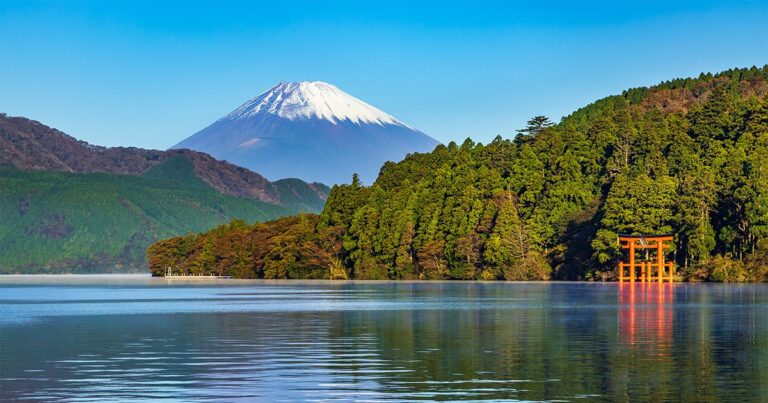
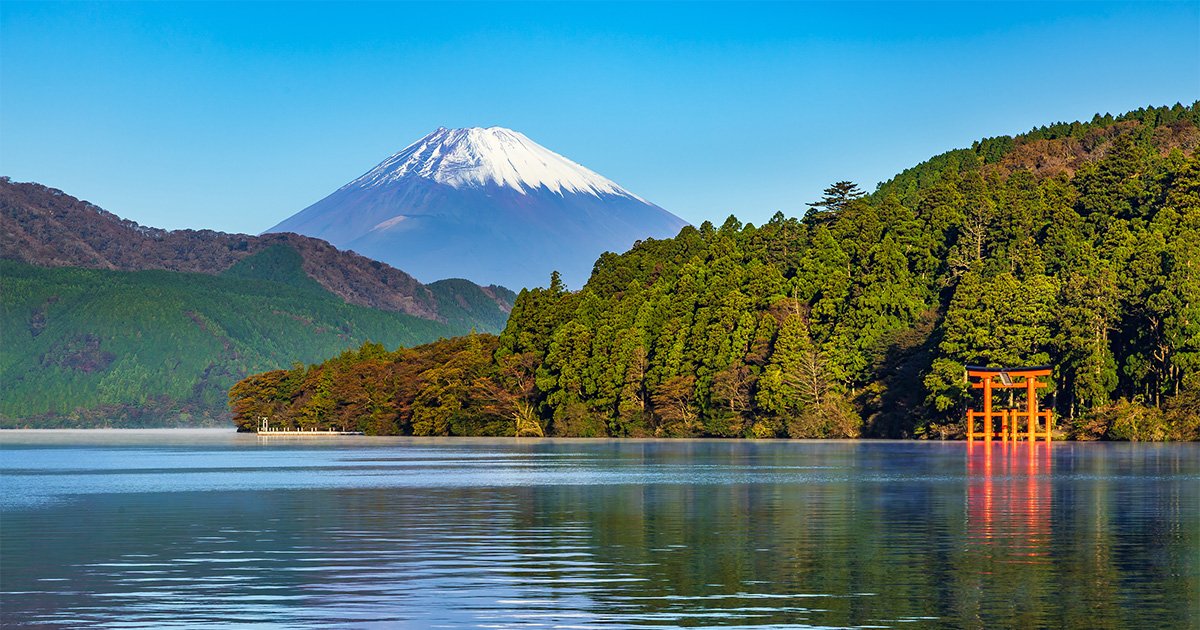
Mount Fuji rising behind Lake Ashi in Hakone, with the vermilion torii gate of Hakone Shrine standing in the water
Lake Ashi & Mt. Fuji, Hakone
The English edition of Triplan

Japan, planned the way a local would plan it.

Triplan Japan is the English-language companion to Triplan, our Japanese travel-planning media covering all 47 prefectures. Here we translate that local knowledge — routes, seasons, and places worth the detour — for visitors coming from overseas.

47prefectures covered on Triplan
11destinations introduced below
3ready-to-use model itineraries
01 — DESTINATIONS

Where to go in Japan

Eleven places that cover the full range of a Japan trip — megacities, old capitals, castle towns, snow country and subtropical islands. Filter by region to build your shortlist.

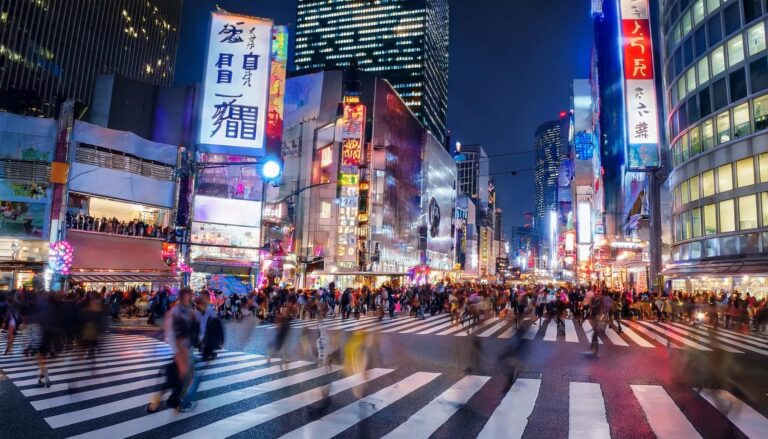
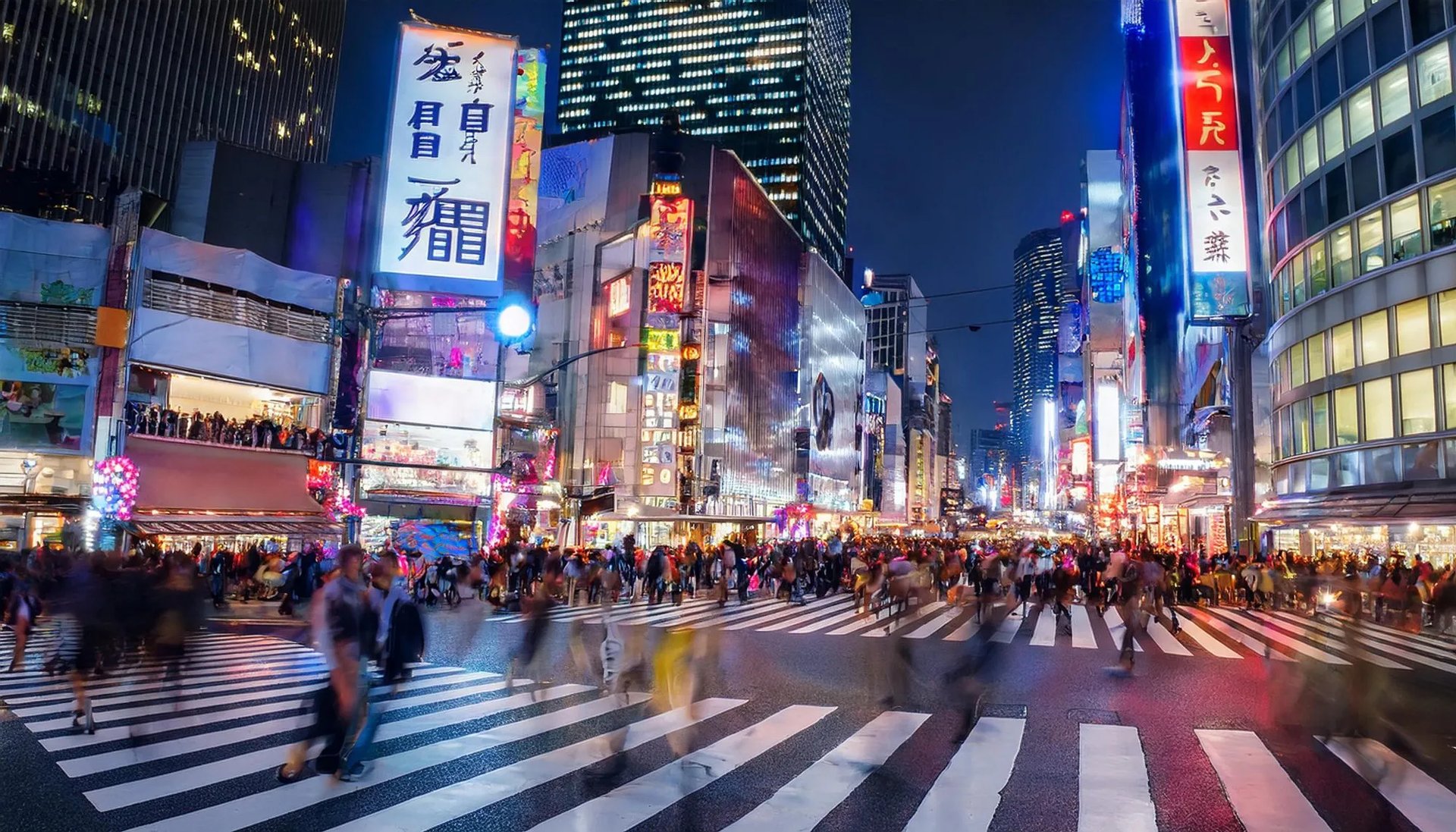
Crowds crossing the Shibuya scramble crossing in Tokyo at night under neon billboards Kantō · Tokyo

Tokyo

The capital is really dozens of cities in one: the neon scramble of Shibuya, the shrine forests of Meiji Jingū, old-town Asakusa and its Sensō-ji temple, and neighbourhoods like Shimokitazawa and Yanaka that still move at walking pace.

Best timeMar–May, Oct–Nov
Allow3–4 days
Don't miss
  • Shibuya Crossing at dusk, then dinner in a yokocho alley
  • Sensō-ji in Asakusa before 8 a.m., ahead of the crowds
  • A morning at an art museum — try teamLab or the National Museum in Ueno
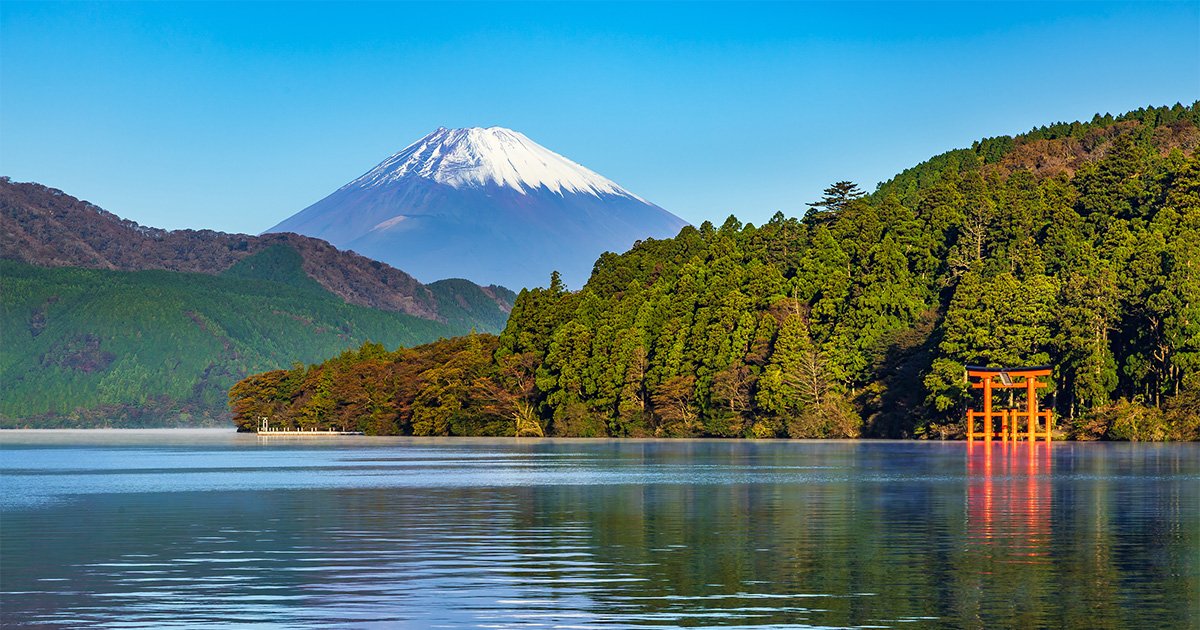
Mount Fuji and the floating torii of Hakone Shrine across Lake Ashi Kantō · Kanagawa

Hakone & Mt. Fuji

Ninety minutes from Tokyo, Hakone strings together mountain railways, a ropeway over volcanic Ōwakudani valley, and a pirate-ship cruise across Lake Ashi — with Mt. Fuji filling the horizon on clear days. Finish with a soak in an onsen ryokan.

Best timeNov–Feb for Fuji views
Allow1–2 days
Don't miss
  • The Hakone Free Pass loop: train, cable car, ropeway, boat, bus
  • Hakone Shrine's torii gate standing in Lake Ashi
  • An open-air bath with a mountain view at your ryokan
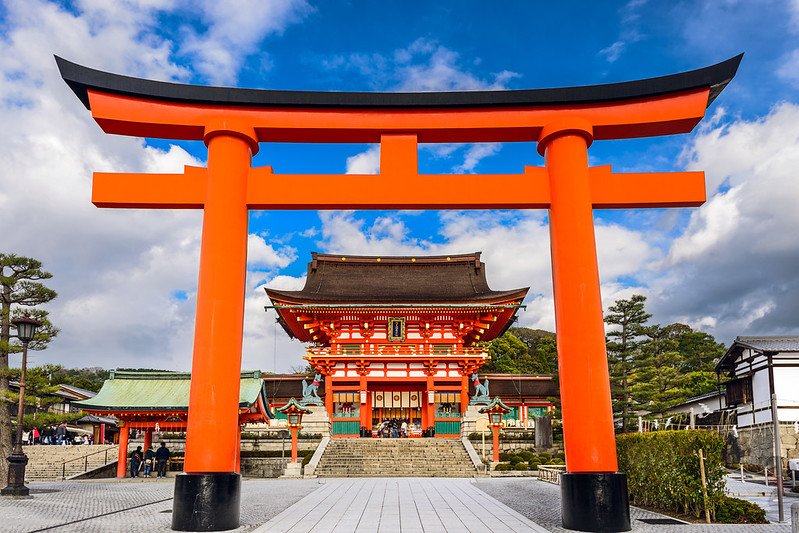
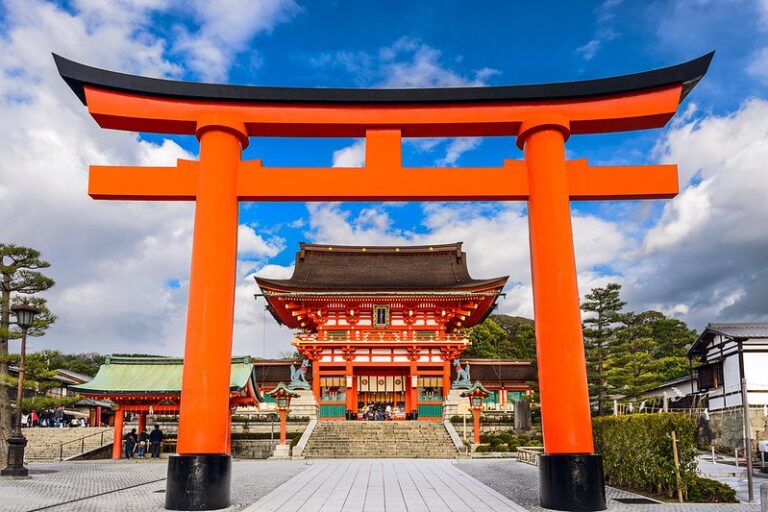
The great vermilion torii gate at Fushimi Inari Shrine in Kyoto Kansai · Kyoto

Kyoto

Japan's capital for over a thousand years. Walk through some 10,000 vermilion gates at Fushimi Inari, see the Golden Pavilion mirror itself in its pond, and wander the bamboo grove and geisha district of Gion at twilight.

Best timeLate Mar–Apr, mid-Nov
Allow3 days
Don't miss
  • Fushimi Inari at sunrise — the full mountain loop takes 2–3 hours
  • Arashiyama: bamboo grove, Tenryū-ji and the Ōi River
  • An evening stroll through Gion's Hanamikoji street
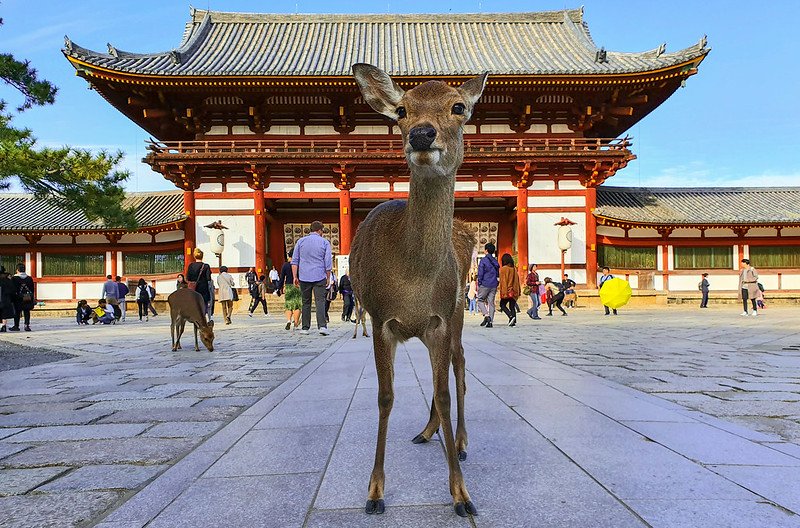
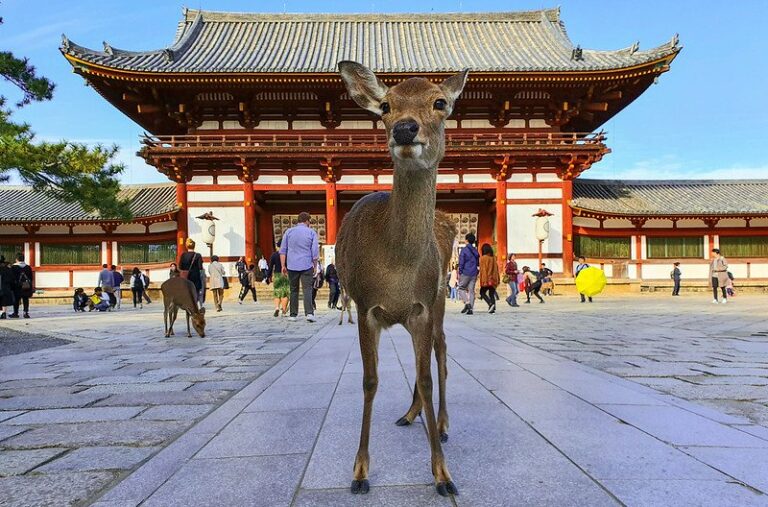
A free-roaming deer in front of the Great South Gate of Todai-ji temple in Nara Kansai · Nara

Nara

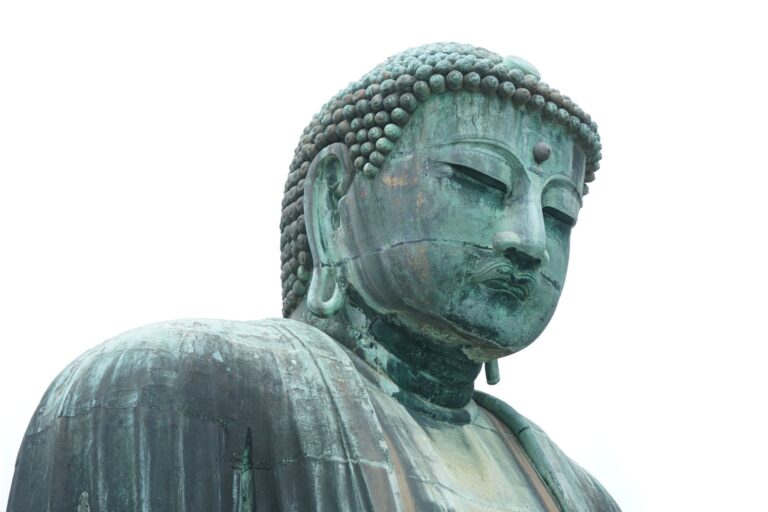
Japan's first permanent capital, 45 minutes from Kyoto or Osaka. Over a thousand tame deer roam Nara Park as messengers of the gods, and Tōdai-ji houses one of the world's largest bronze Buddhas inside a vast wooden hall.

Best timeYear-round
Allow1 day
Don't miss
  • Feeding the deer their special shika-senbei crackers (they bow back)
  • The Great Buddha at Tōdai-ji and the lantern-lined path to Kasuga Taisha
  • Kakinoha-zushi — sushi wrapped in persimmon leaves, a Nara speciality
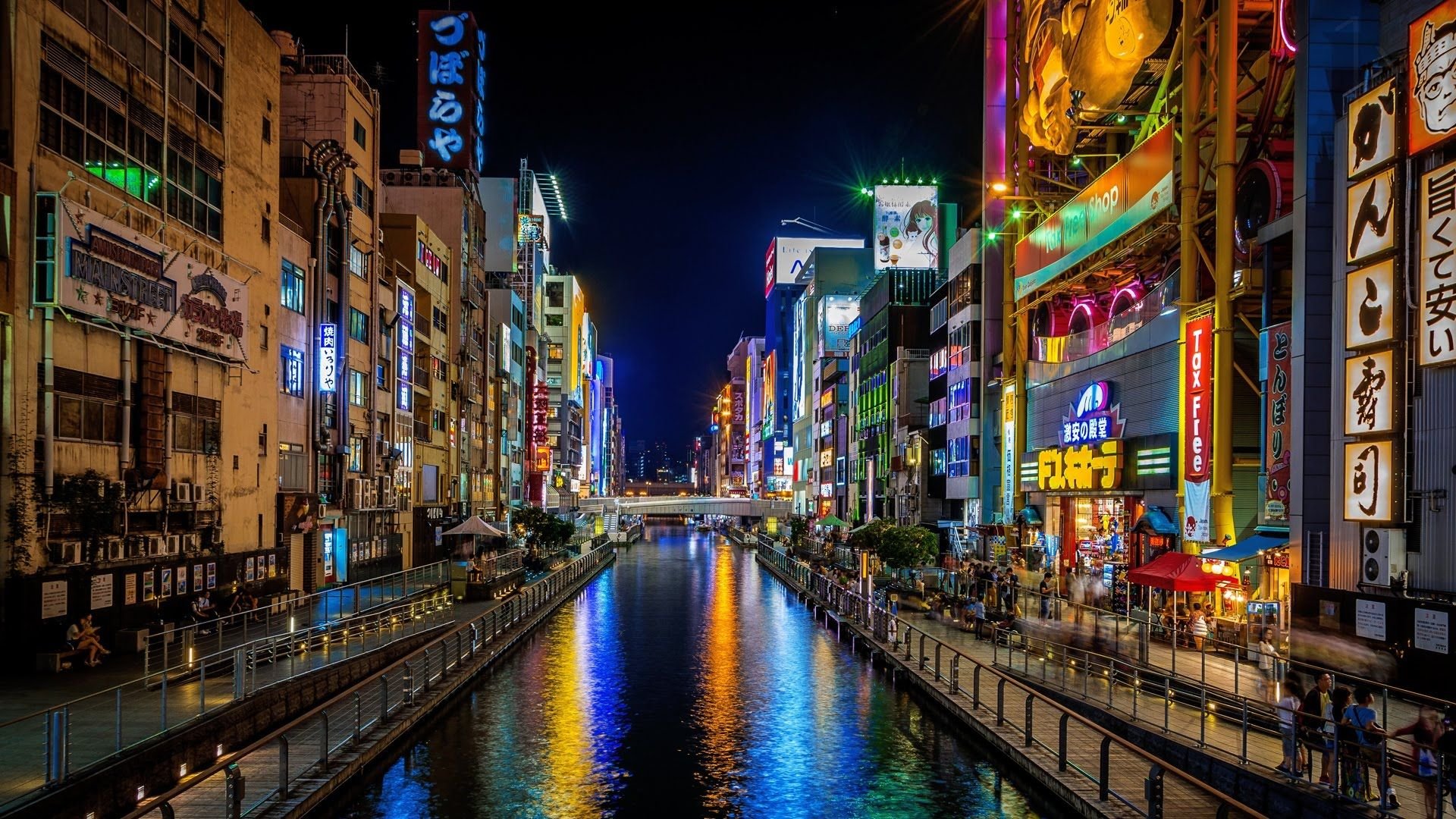
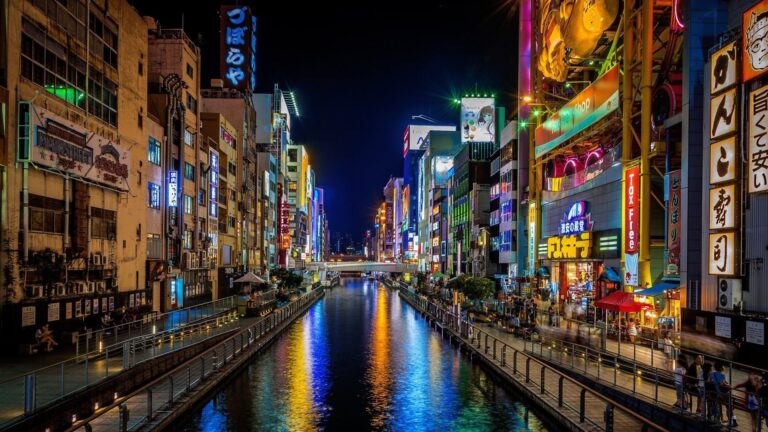
The neon signs of Dotonbori canal in Osaka at night, including the Glico running man Kansai · Osaka

Osaka

Japan's kitchen and its comedy capital — louder, warmer and hungrier than Tokyo. Graze your way through Dōtonbori's takoyaki and kushikatsu stalls under the Glico sign, then step back in time at Osaka Castle.

Best timeYear-round
Allow2 days
Don't miss
  • A food crawl along Dōtonbori canal after dark
  • Kuromon Market in the morning for grilled seafood and wagyu skewers
  • Retro Shinsekai and the Tsūtenkaku tower at night
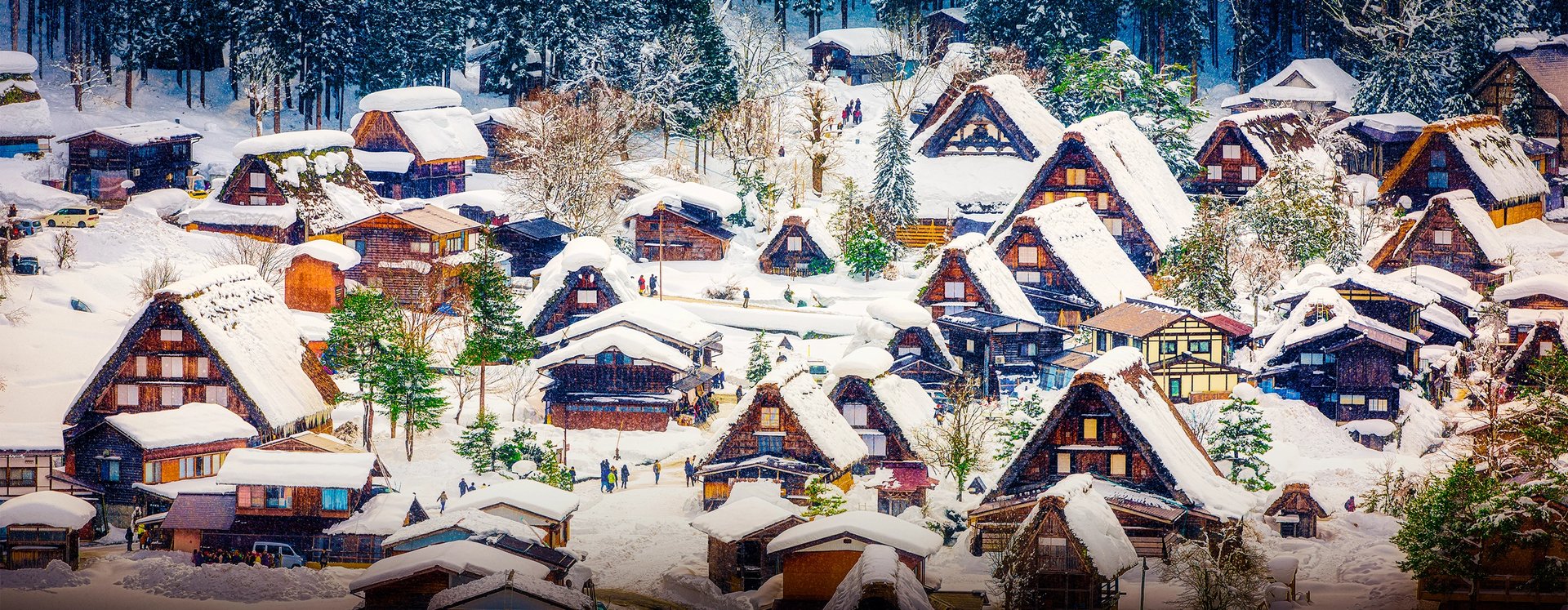
Snow-covered gassho-zukuri farmhouses in the village of Shirakawa-go Chūbu · Gifu

Shirakawa-gō

A UNESCO-listed mountain village of gasshō-zukuri farmhouses, their steep thatched roofs shaped like hands in prayer to shed heavy snow. In winter the whole valley looks like a snow globe; in summer the rice fields turn it emerald.

Best timeJan–Feb, Jun, Oct
Allow1 day
Don't miss
  • The Shiroyama viewpoint for the classic village panorama
  • Inside the Wada House, the largest gasshō farmhouse open to visitors
  • Pair it with Takayama's old town, an hour away by bus
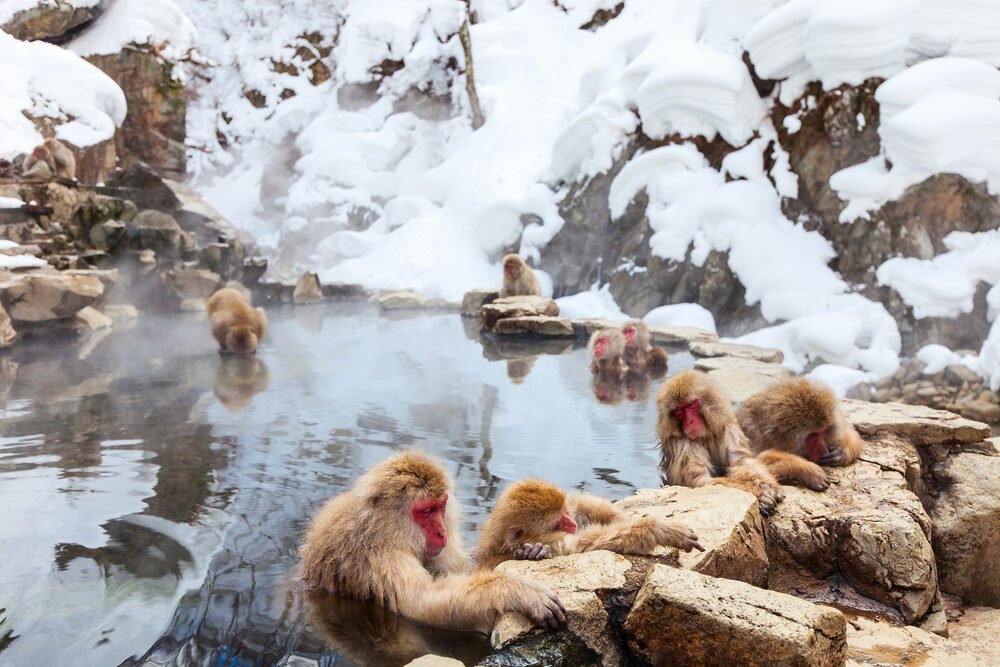
Japanese macaques — snow monkeys — soaking in a steaming outdoor hot spring in Nagano Chūbu · Nagano

Nagano & the Snow Monkeys

At Jigokudani Monkey Park, wild Japanese macaques bathe in a steaming open-air onsen through the snow — a sight found nowhere else on earth. Combine it with Zenkō-ji, one of Japan's most important temples, in Nagano City.

Best timeDec–Mar
Allow1–2 days
Don't miss
  • The monkeys at Jigokudani — arrive before noon for the best activity
  • A soak of your own in Shibu Onsen's nine public bathhouses
  • Oyaki dumplings and soba noodles, Nagano's comfort foods
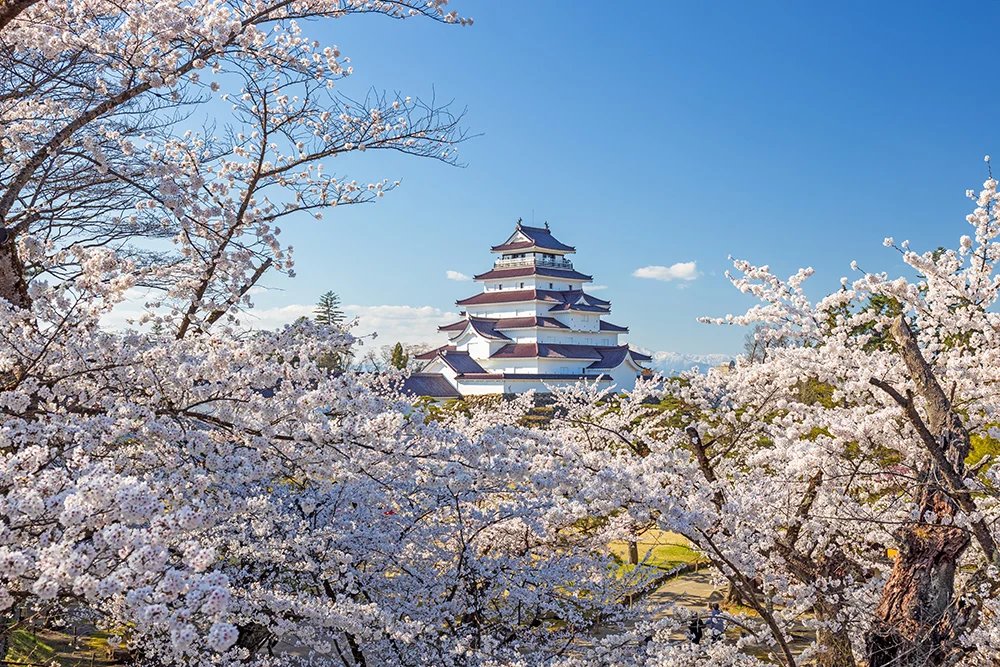
Tsuruga Castle in Aizuwakamatsu framed by cherry blossoms in spring Tōhoku · Fukushima

Aizu-Wakamatsu

A proud samurai city that held out to the very end of the shogunate. Tsuruga Castle — the only castle in Japan with red roof tiles — anchors a town of sake breweries, lacquerware workshops and the storybook thatched village of Ōuchi-juku nearby.

Best timeMid-Apr, Oct–Nov
Allow1–2 days
Don't miss
  • Tsuruga Castle in cherry-blossom season (about 1,000 trees)
  • Ōuchi-juku, a preserved Edo-period post town 40 minutes away
  • Sake tasting — Aizu is one of Japan's great brewing regions
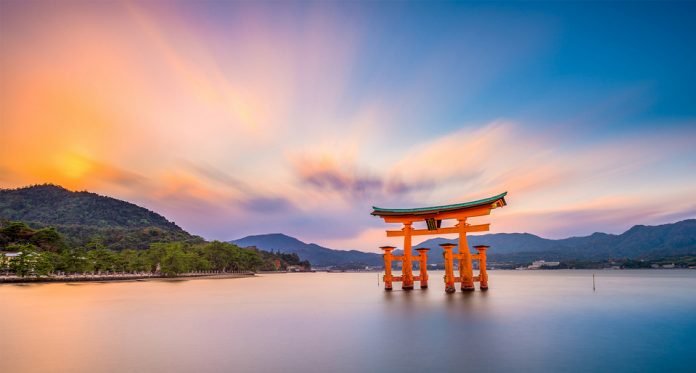
The floating torii gate of Itsukushima Shrine at Miyajima at sunset Chūgoku · Hiroshima

Miyajima & Hiroshima

Itsukushima Shrine's great torii appears to float on the sea at high tide — one of Japan's three classic views. Pair the island with Hiroshima's Peace Memorial Park and Museum, and the city's soul food: okonomiyaki, layered and griddled.

Best timeApr–May, Oct–Nov
Allow2 days
Don't miss
  • Check the tide table — walk to the torii at low tide, see it float at high tide
  • The ropeway up Mt. Misen for a Seto Inland Sea panorama
  • Grilled oysters and maple-leaf-shaped momiji manjū cakes on the island
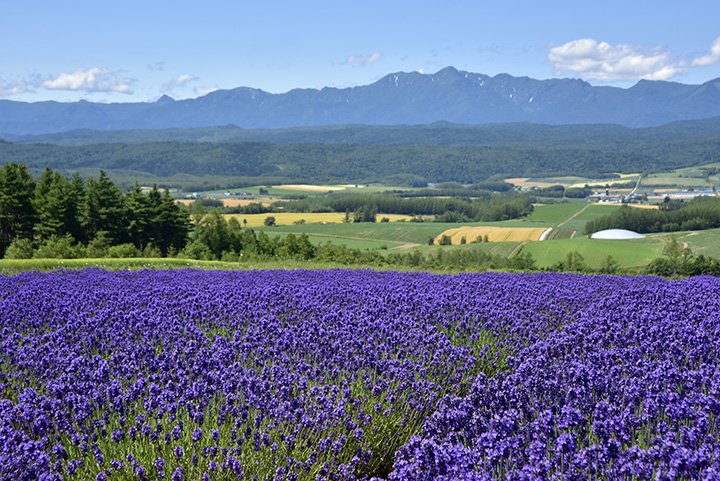
Lavender fields in bloom in Furano, Hokkaido, under a summer sky Hokkaidō

Hokkaidō — Furano & Sapporo

Japan's wild northern island runs on a different calendar: lavender seas in Furano each July, powder snow and the Sapporo Snow Festival each February, and the country's best seafood, dairy and soup curry in between.

Best timeJul, early Feb
Allow3–4 days
Don't miss
  • Farm Tomita's lavender fields in mid-July
  • Sapporo's miso ramen and a bowl of kaisen-don at Nijo Market
  • In winter: the Snow Festival's giant ice sculptures (early February)
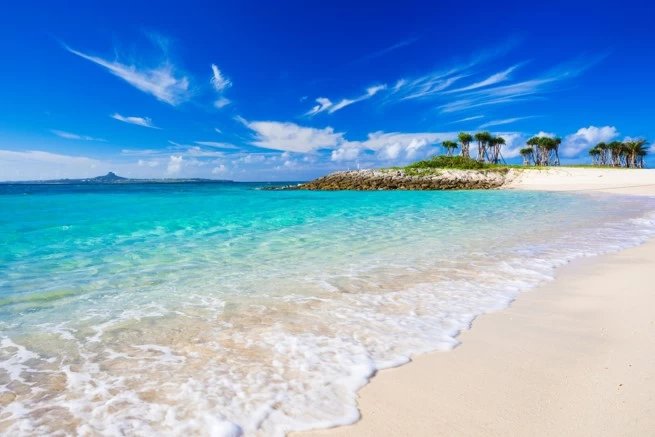
Emerald Beach in Okinawa, with turquoise water and white sand Okinawa

Okinawa

Japan's subtropical south was once the Ryūkyū Kingdom, and it still feels distinct — castle ruins like Shuri, coral seas, and a famously relaxed pace. Base in Naha, then island-hop to Zamami or Tokashiki for the clearest water.

Best timeApr–Jun, Oct–Nov
Allow3–4 days
Don't miss
  • Whale sharks and manta rays at Okinawa Churaumi Aquarium
  • Snorkelling the Kerama Islands' "Kerama Blue" water
  • Okinawa soba and taco rice — the islands' own comfort dishes

No destinations in this region yet — try another filter.

02 — MODEL ITINERARIES

Trips that actually fit together

Every route on Triplan Japan is built the way we build them on Triplan: realistic train times, no zig-zagging across the country, and rest built in. Pick a route and adjust the days to your pace.

The classic first trip: Tokyo → Hakone → Kyoto, with Nara and Osaka as day trips. Travel is almost entirely by shinkansen and local rail, and every base has luggage-forwarding services so you can travel light.

DAY1

Arrive in Tokyo — Asakusa

Settle in, then an easy first evening: Sensō-ji temple, the Nakamise shopping street, and dinner under the railway arches.

DAY2

Tokyo — old and new

Meiji Jingū and Harajuku in the morning, Shibuya Crossing and Shinjuku's observation decks as the lights come on.

DAY3

Hakone day trip

The full loop — mountain train, ropeway over Ōwakudani, Lake Ashi cruise past the floating torii — with Mt. Fuji views if the sky is clear. Onsen in the evening.

DAY4

Shinkansen to Kyoto

Two hours by bullet train (book a right-side seat for Fuji). Afternoon at the Golden Pavilion and the Zen rock garden of Ryōan-ji.

DAY5

Kyoto — Fushimi Inari & Gion

Sunrise among the 10,000 torii gates, sake tasting in the Fushimi district, then Kiyomizu-dera and an evening walk through Gion.

DAY6

Nara day trip

Forty-five minutes each way: bowing deer, the Great Buddha at Tōdai-ji, and lunch of kakinoha-zushi before returning to Kyoto.

DAY7

Osaka — eat, then fly

Osaka Castle in the morning and a final feast in Dōtonbori. Kansai Airport is about an hour away by direct train.

03 — SEASONS

When should you come?

Japan rewards timing. The same city is a different trip in cherry-blossom April than in maple-red November — here is what each season does best.

Spring — cherry blossom season

Blossom front: late March in Tokyo & Kyoto, reaching Hokkaidō in early May

Sakura is Japan's biggest travel season for a reason: castle moats, riverbanks and temple gardens all turn pink within the same few weeks. Book accommodation two to three months ahead, and follow the official blossom forecast — peak bloom lasts only about a week in each city.

  • Tsuruga Castle in Aizu, ringed by roughly 1,000 cherry trees
  • Evening illuminations at Kyoto's temples during bloom
  • Hanami picnics — convenience-store food under the trees is the real tradition
  • Mild weather almost everywhere; pack layers, not coats
04 — FOOD

Eat regionally, not generically

Every region guards its own dish. Ordering the local speciality — meibutsu — is the fastest way to travel deeper, and it is what the Triplan guides always plan meals around.

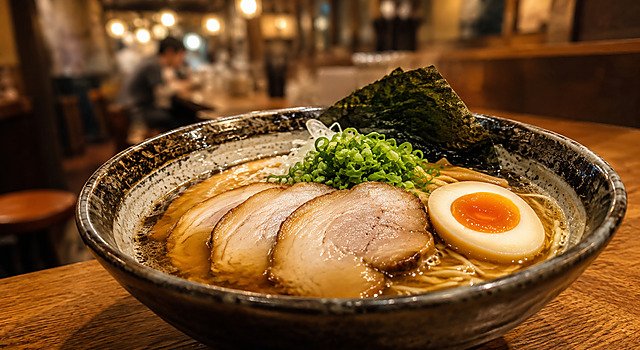
A steaming bowl of ramen with chashu pork, a seasoned egg and nori seaweed in a Tokyo restaurant
Sapporo miso ramen

Rich miso broth built for Hokkaidō winters — and its rival, Sendai's spicy miso, a few hundred kilometres south.

Kitakata ramen · Aizu

Flat, curly noodles in a clear soy broth, famously eaten for breakfast in Kitakata, near Aizuwakamatsu.

Takoyaki & kushikatsu · Osaka

Octopus balls and deep-fried skewers — Osaka's twin street-food icons. One rule: never double-dip the kushikatsu sauce.

Hiroshima okonomiyaki

Layered, not mixed: cabbage, noodles and egg stacked on the griddle, finished with a sweet-savoury sauce.

Okinawa soba

Wheat noodles in a pork-and-bonito broth with braised pork belly — nothing like mainland soba, and all the better for it.

Kaisendon · anywhere coastal

A bowl of rice under the morning's catch. Eat it at a market — Nijo in Sapporo, Kuromon in Osaka, Ōmichō in Kanazawa.

— STORIES

Latest stories

Full-length articles from the Triplan Japan desk — destinations, model routes and practical guides, added as we publish them.

05 — TRAVEL TIPS

Know before you go

The practical details that make a Japan trip run smoothly — the same checklist we give readers of Triplan before their first visit.

鉄

Trains & the Japan Rail Pass

Trains are the default way to travel — punctual to the minute. The nationwide Japan Rail Pass can still pay off for long multi-city trips, but since its 2023 price rise, compare it against individual tickets and regional passes for your exact route before buying.

券

Get an IC card

A Suica or Icoca card (including the phone versions) taps you onto virtually every train, bus and convenience-store register in the country. Charge it, tap in, tap out — no ticket maths at the gate.

湯

Onsen etiquette

Wash thoroughly before entering the bath, go in naked (no swimsuits), and keep towels out of the water. Many baths still restrict tattoos, though a growing number welcome them — check the specific bathhouse's policy before you go.

金

Cash still matters

Cards and phone payments are now widely accepted in cities, but small shrines, rural buses and family-run restaurants may be cash-only. Carry some yen; 7-Eleven and post-office ATMs reliably accept foreign cards.

荷

Forward your luggage

Japan's takkyūbin delivery services send a suitcase hotel-to-hotel (or to the airport) by the next day for roughly the price of a nice lunch. Travel with a daypack and let the network carry the weight.

礼

Small manners, big effect

Queue for trains, keep voices low on board, and don't tip — service is included and tipping can cause confusion. A small bow and a "arigatō gozaimasu" go a long way everywhere.

About Triplan Japan

Triplan Japan is the English-language subsite of Triplan, a Japanese travel-planning media that publishes model courses for all 47 prefectures — from famous first stops to castle towns and sake regions most visitors never reach. This English edition brings those routes to international travellers, starting with the destinations and itineraries above.

Triplan Japan is operated by MIXEDER. For advertising and partnership enquiries, see the MIXEDER media guide.