Tokyo in 3 Days: A First-Timer’s Model Route
Tokyo is not one city. It’s dozens of neighbourhoods stitched together by rail — a temple town here, a neon canyon there, a quiet residential street five minutes from both. Three days won’t exhaust it, but three days is enough to meet its three personalities: old Tokyo, modern Tokyo, and the slow, local Tokyo most visitors never see. Here’s how we’d spend them.
At a glance
- Time needed: 3 full days
- Where to stay: Near a Yamanote line station — Ueno and Asakusa for old-town atmosphere, Shinjuku and Ikebukuro for connections
- Best season: March–May and October–November
- Don’t miss: Sensō-ji before 8 a.m., Shibuya Crossing at dusk, one slow neighbourhood morning
Day 1: Old Tokyo — Asakusa and Ueno
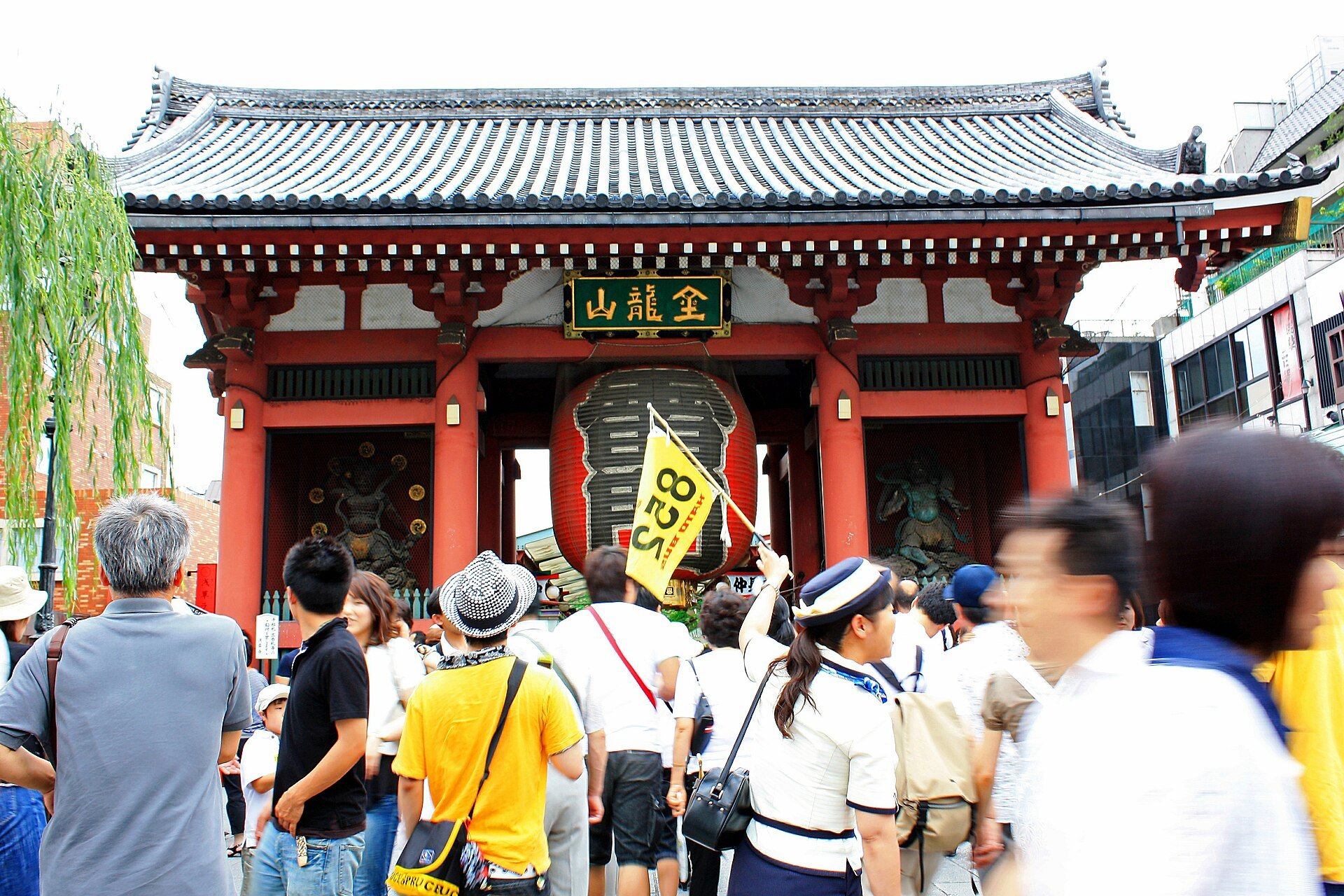
Start where Tokyo started. Sensō-ji in Asakusa is the city’s oldest temple, and its great red lantern at the Kaminarimon gate is one of the most photographed objects in Japan. Go before 8 a.m. and you’ll share it with monks and shopkeepers, not crowds. From the gate, the Nakamise shopping street runs straight to the main hall — it’s been selling snacks and souvenirs to pilgrims for centuries.
From Asakusa it’s a short hop to Ueno. The Tokyo National Museum, inside Ueno Park, holds the finest collection of Japanese art anywhere — samurai armour, swords, tea ware, and Buddhist sculpture, all in calm, spacious halls. Finish the day in Ameyoko, the market streets under the railway tracks, where dinner can be a skewer here, a bowl of noodles there, eaten standing up like everyone else.
Day 2: Shrines and neon — Meiji Jingū to Shibuya
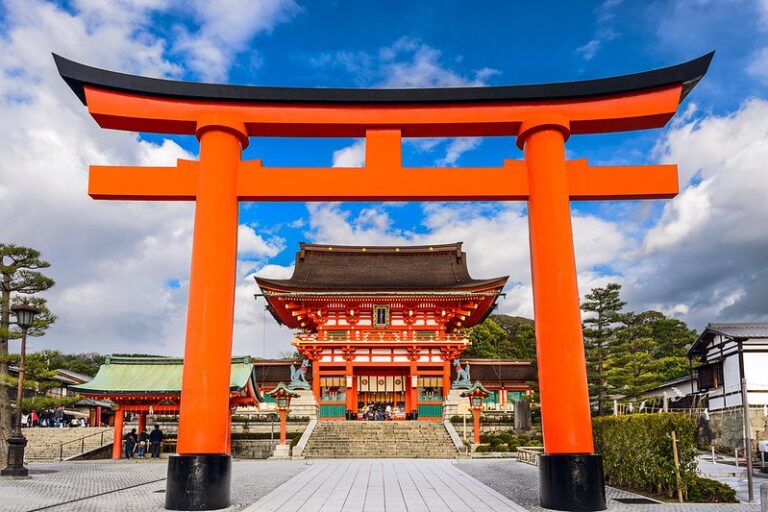
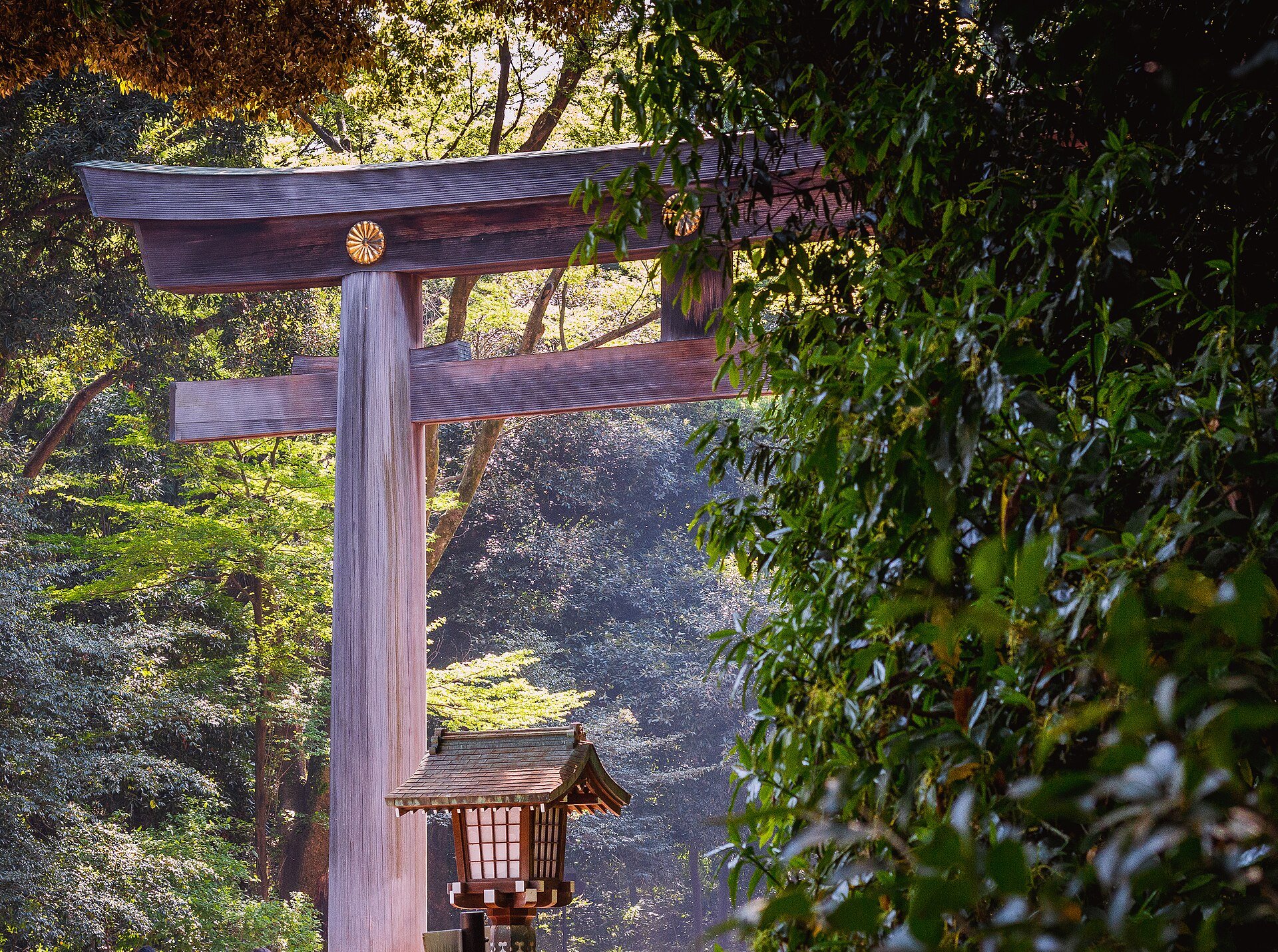
Begin in a forest. Meiji Jingū, Tokyo’s great Shinto shrine, sits inside 170 acres of planted woodland — 100,000 trees donated from across Japan. The gravel approach is wide, shaded, and silent, ten minutes from the busiest station in the world. Walk under the giant torii, watch for a wedding procession at the main hall, then step back out into Harajuku’s backstreets for coffee and people-watching.
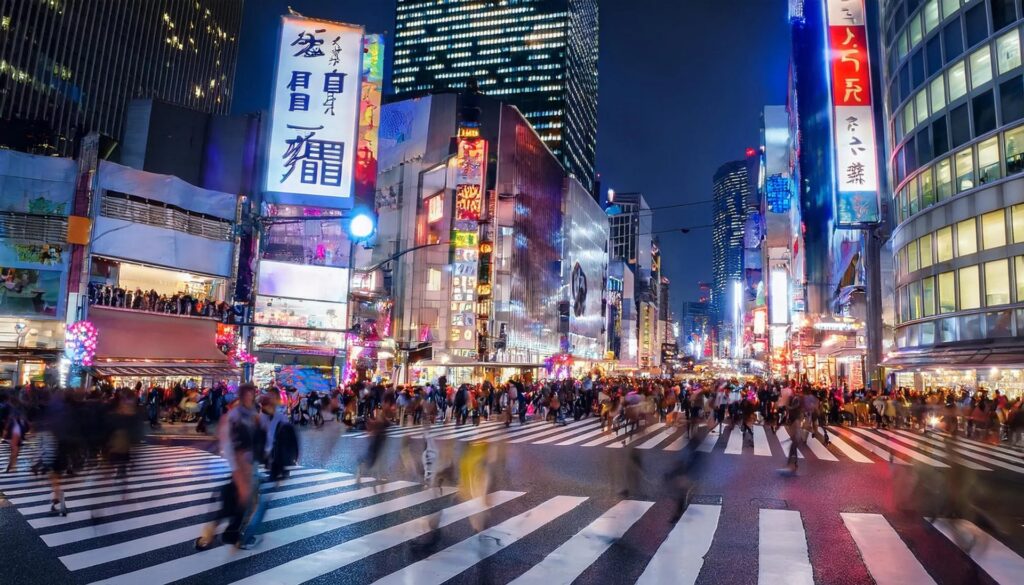
In the afternoon, ride to Shinjuku and take the free elevator up the Tokyo Metropolitan Government Building — on a clear day, Mt. Fuji floats on the horizon. Then end the day where Tokyo shows off: Shibuya Crossing at dusk, when the billboards fire up and a thousand people cross in every direction at once. Watch one cycle from the street, then duck into a yokocho alley for dinner.
Day 3: Slow Tokyo — Yanaka and Shimokitazawa
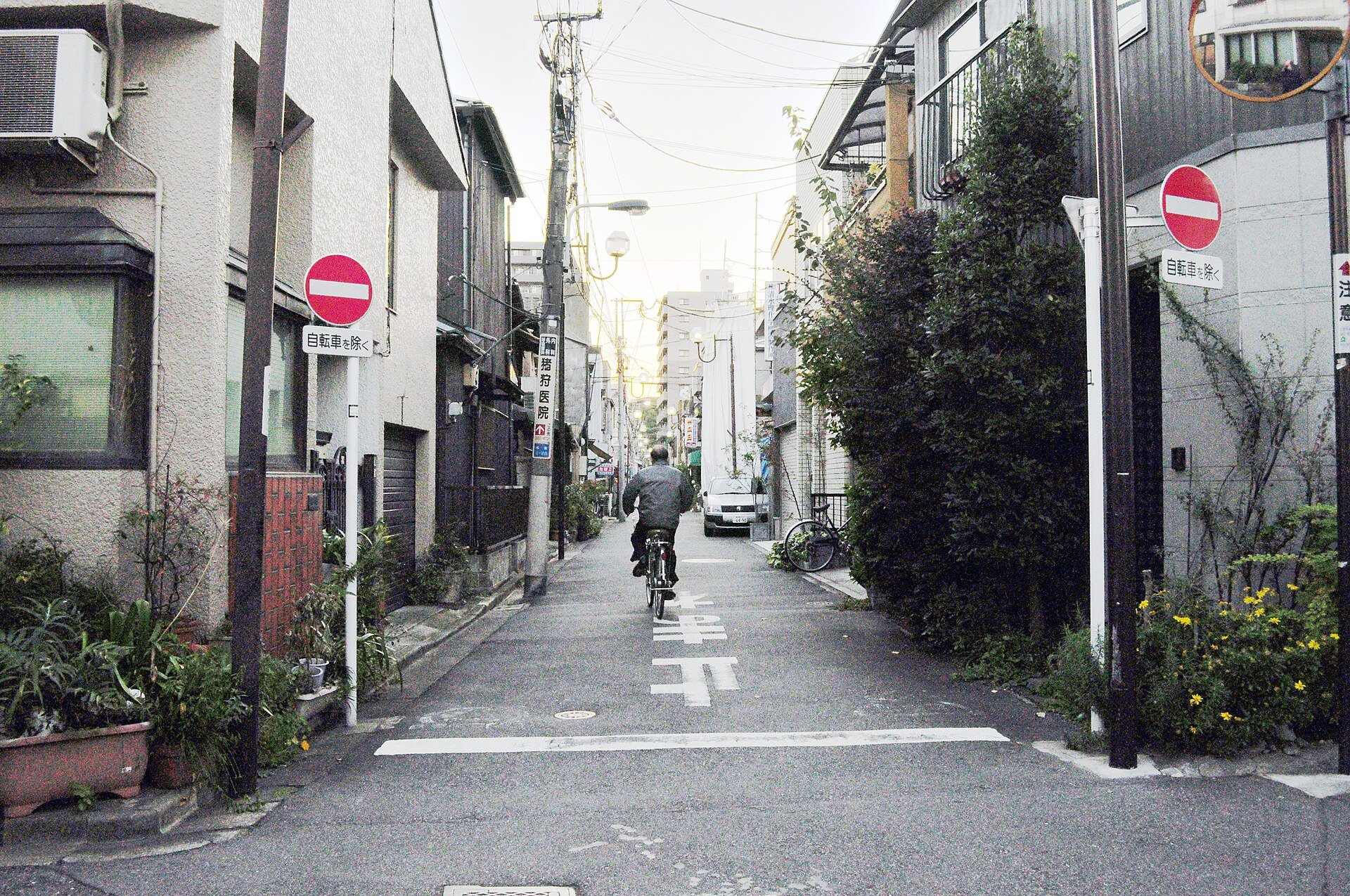
Keep the last day unscripted. Yanaka, in the city’s northeast, kept its pre-war wooden streetscape — temples, small cemeteries, cats, and shotengai shopping streets that still serve the neighbourhood rather than tourists. Alternatively, Shimokitazawa, west of Shibuya, is Tokyo’s vintage-clothing and live-music quarter, all narrow lanes and second-hand shops. Either way, the point is the same: Tokyo at walking pace.
If you’d rather range further, Kamakura — the 13th-century capital with its Great Buddha — is about an hour south, and Nikkō’s shrines about two hours north. Both work as day trips; both deserve an early start.
Good to know
- Load a Suica or Pasmo IC card onto your phone before you arrive. It covers trains, subways, buses, and most convenience stores — no ticket maths, ever.
- Trains stop around midnight. Plan late nights around the last train, or stay within walking distance of the fun.
- Many small restaurants are cash-based and use ticket machines. Carry some yen; the photo menus make ordering easy.
- Tokyo’s headline sights are spread out. Group them by neighbourhood, as this route does, instead of zig-zagging across the map.
Sources & photo credits
- Sensō-ji, Kaminarimon — Andrea Schaffer, CC BY 2.0, via Wikimedia Commons
- Meiji Jingū torii — Ray in Manila, CC BY 2.0, via Wikimedia Commons
- Yanaka street — Joe Mabel, CC BY-SA 3.0, via Wikimedia Commons