Kyoto in 3 Days: Torii Gates, Bamboo and Old Streets
Kyoto was Japan’s capital for more than a thousand years, and it packed the centuries in: 17 UNESCO World Heritage sites inside one compact, walkable city. The sights fall into natural thirds — an east of temples and geisha lanes, a west of gold and bamboo, and a centre of castles and markets. One day each, early starts, and Kyoto stops feeling like a checklist and starts feeling like a place.
At a glance
- Time needed: 3 full days
- Where to stay: Downtown (Kawaramachi/Shijō) for transport, or Gion for atmosphere
- Best season: Late March–April for cherry blossom, November for autumn colour
- Don’t miss: Fushimi Inari at dawn, Kinkaku-ji in morning light, Gion at dusk
Day 1: The east — ten thousand gates and the geisha district
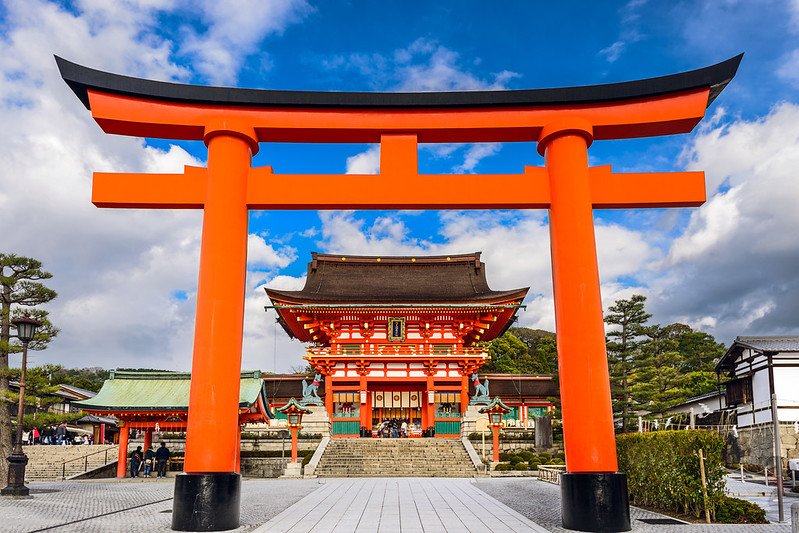
Begin at Fushimi Inari Taisha, where roughly ten thousand vermilion torii gates climb a mountainside in a tunnel of orange light. The full summit loop takes two to three hours; even the first stretch delivers the famous view. Arrive before 8 a.m. — the shrine never really closes, and dawn is when it’s yours. In the afternoon, head to Kiyomizu-dera, whose great wooden stage floats above the hillside on a forest of pillars, then drift downhill through Sannenzaka and Ninenzaka, lanes of machiya townhouses, tea shops, and pottery studios.
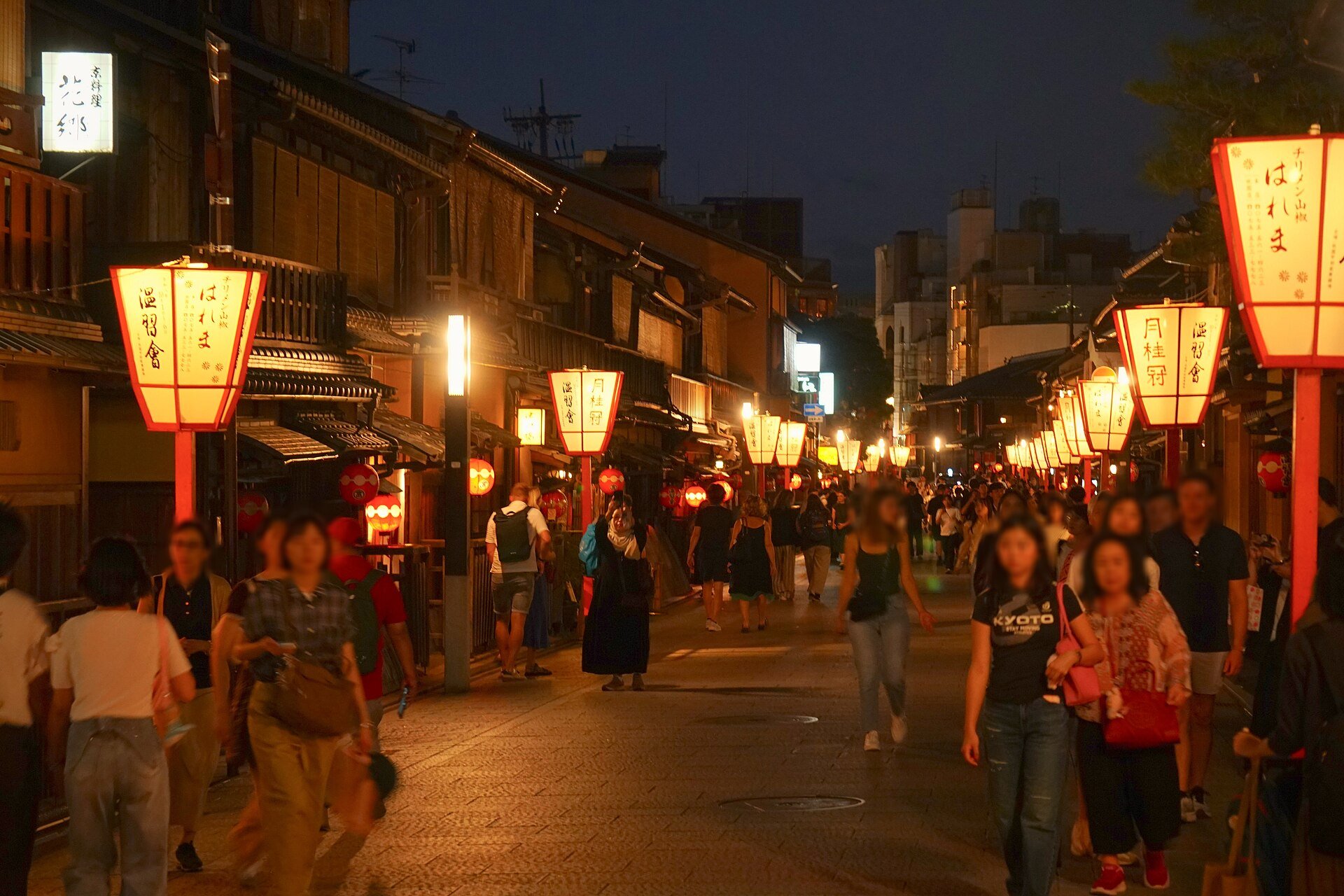
Finish at dusk in Gion. Walk Hanamikōji street as the lanterns come on and you may glimpse a geiko or maiko on her way to an evening engagement. Look, enjoy, photograph from a respectful distance — and never step into the private side streets, which are off-limits to visitors.
Day 2: The west — gold in the morning, bamboo after
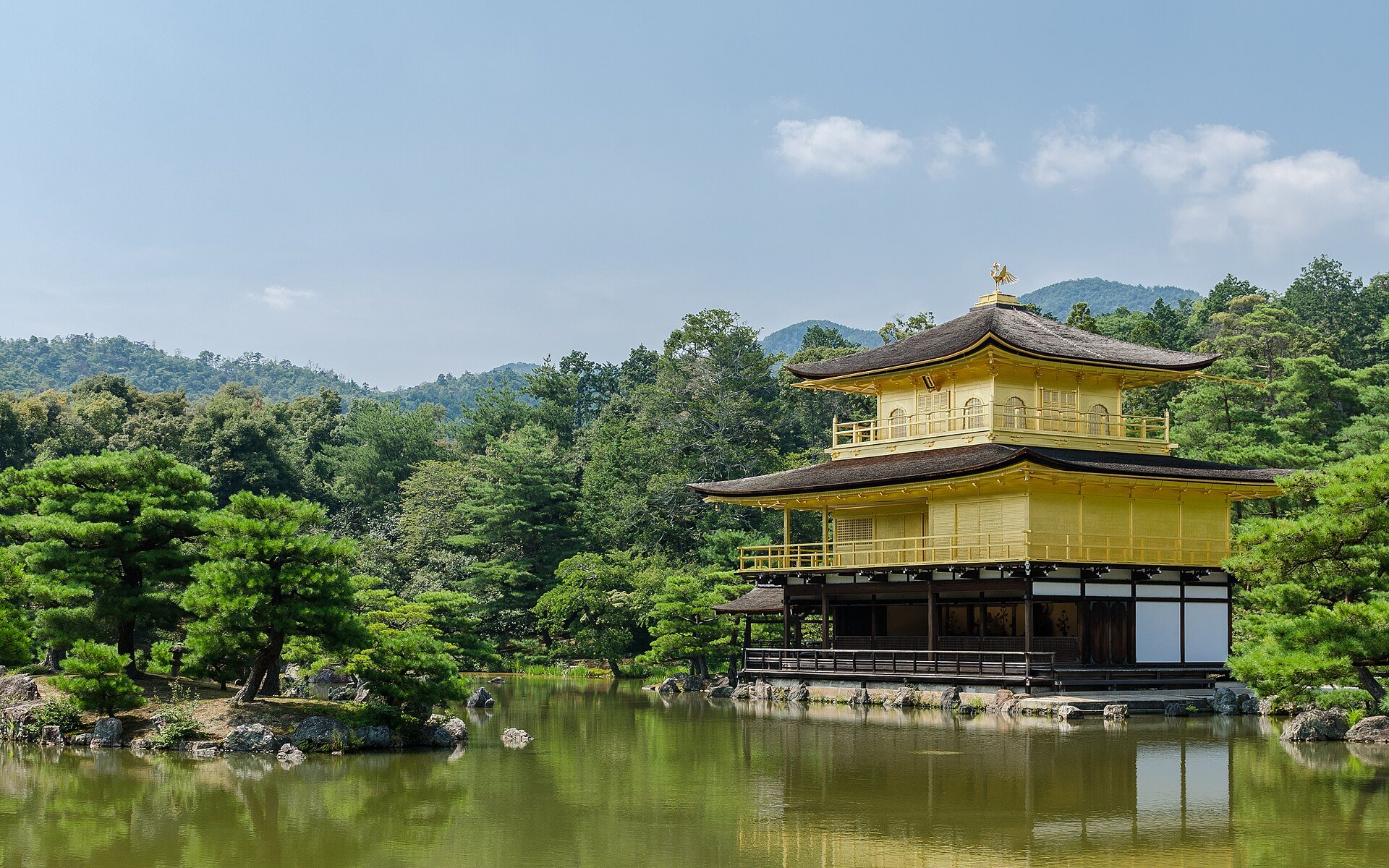
Start at Kinkaku-ji, the Golden Pavilion, as the gates open. Its top two floors are covered in gold leaf, and in still morning air the reflection in the Mirror Pond is perfect — the single most famous view in Kyoto. Go early; by ten, the magic has company.
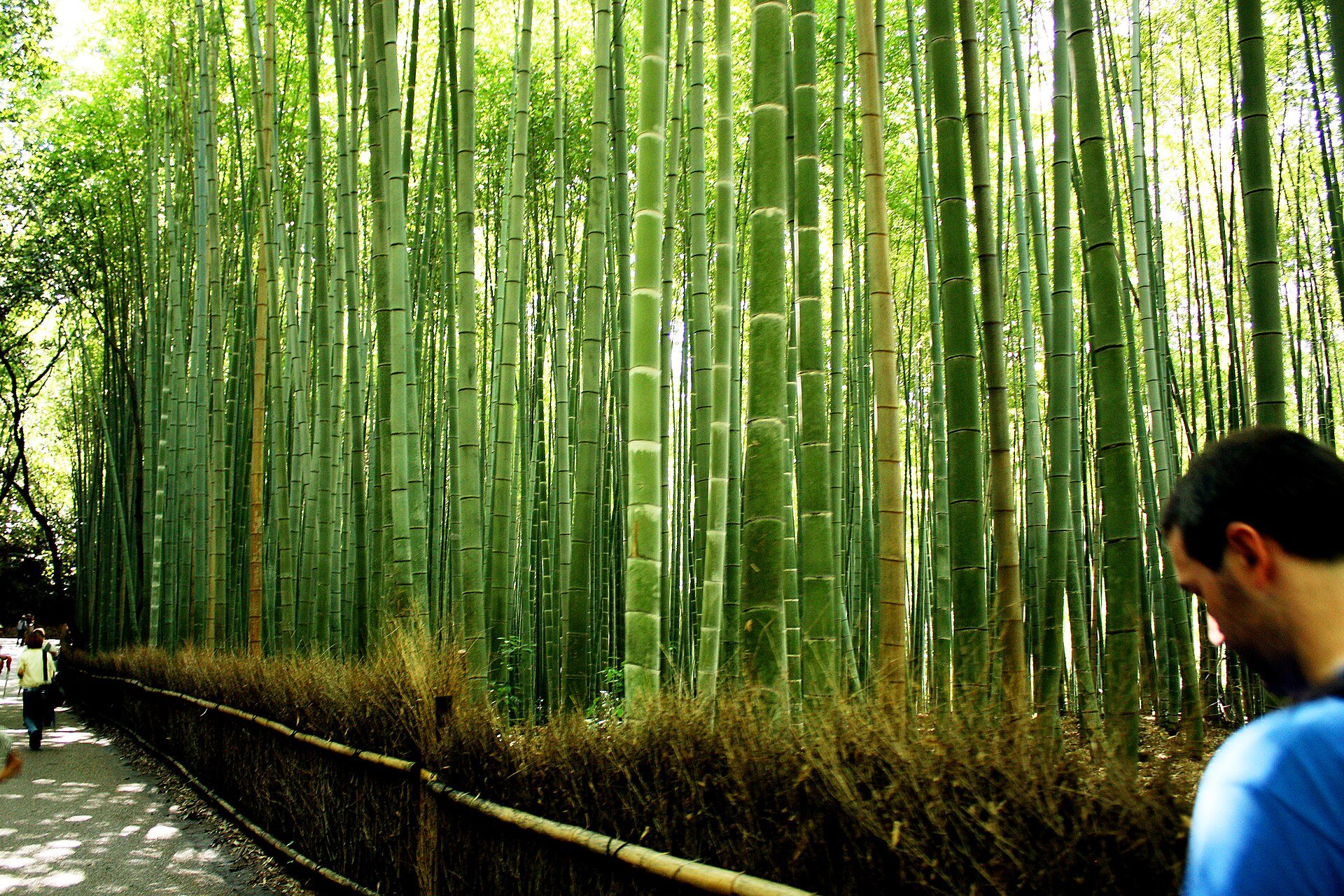
Then cross to Arashiyama, on the city’s western edge. Walk the bamboo grove — go early or late to hear the stalks knock in the wind — visit the Zen gardens of Tenryū-ji, and cross Togetsukyō Bridge for the postcard view of river and mountains. If your legs are willing, the trail up to the Iwatayama monkey park ends in a panorama over the whole city.
Day 3: Slow Kyoto — castle, market, café
Keep the last day loose. Nijō Castle, the shogun’s Kyoto residence, is fitted with “nightingale floors” that chirp under every step — an Edo-period burglar alarm, and genuinely delightful. Afterward, graze through Nishiki Market, the city’s 400-year-old food arcade: tofu doughnuts, tamagoyaki on sticks, knives, pickles, matcha everything. Then find a machiya townhouse café, order something green, and do nothing for an hour. Dinner in Pontocho, the lantern-lit alley along the Kamo River, closes the trip properly.
Good to know
- City buses reach nearly every sight; the subway and private railways cover the gaps. Most days need only three or four rides — don’t over-buy passes.
- Most temples open early and close around 17:00. Put headline sights first, markets and cafés later.
- Kyoto rewards walkers. The best moments usually happen on the lanes between the famous names, not at them.
- In cherry-blossom and autumn-colour weeks, book accommodation early and start every day before 8 a.m.
Sources & photo credits
- Gion, Hanamikōji street — 掬茶, CC BY-SA 4.0, via Wikimedia Commons
- Kinkaku-ji — DXR, CC BY-SA 3.0, via Wikimedia Commons
- Arashiyama bamboo grove — Andrea Schaffer, CC BY 2.0, via Wikimedia Commons