Hakone Day Trip: Mt. Fuji Views, Volcanoes and a Pirate Ship
Some day trips are about a place. Hakone is about a loop: a mountain railway, a cable car, a ropeway over a volcanic crater, a boat across a caldera lake, and a bus back down — five rides forming one circuit through the mountains west of Tokyo. On a clear day Mt. Fuji presides over all of it. On a cloudy day, the loop is still the best fun you can have within 90 minutes of Shinjuku.
At a glance
- Time needed: One long day (leave Tokyo by 8 a.m.)
- Getting there: Odakyu Romancecar, Shinjuku → Hakone-Yumoto, about 85 minutes
- Best season: November–February for the clearest Fuji views
- Don’t miss: The Ōwakudani ropeway crossing, the Lake Ashi boat, black eggs at the crater
The route, step by step
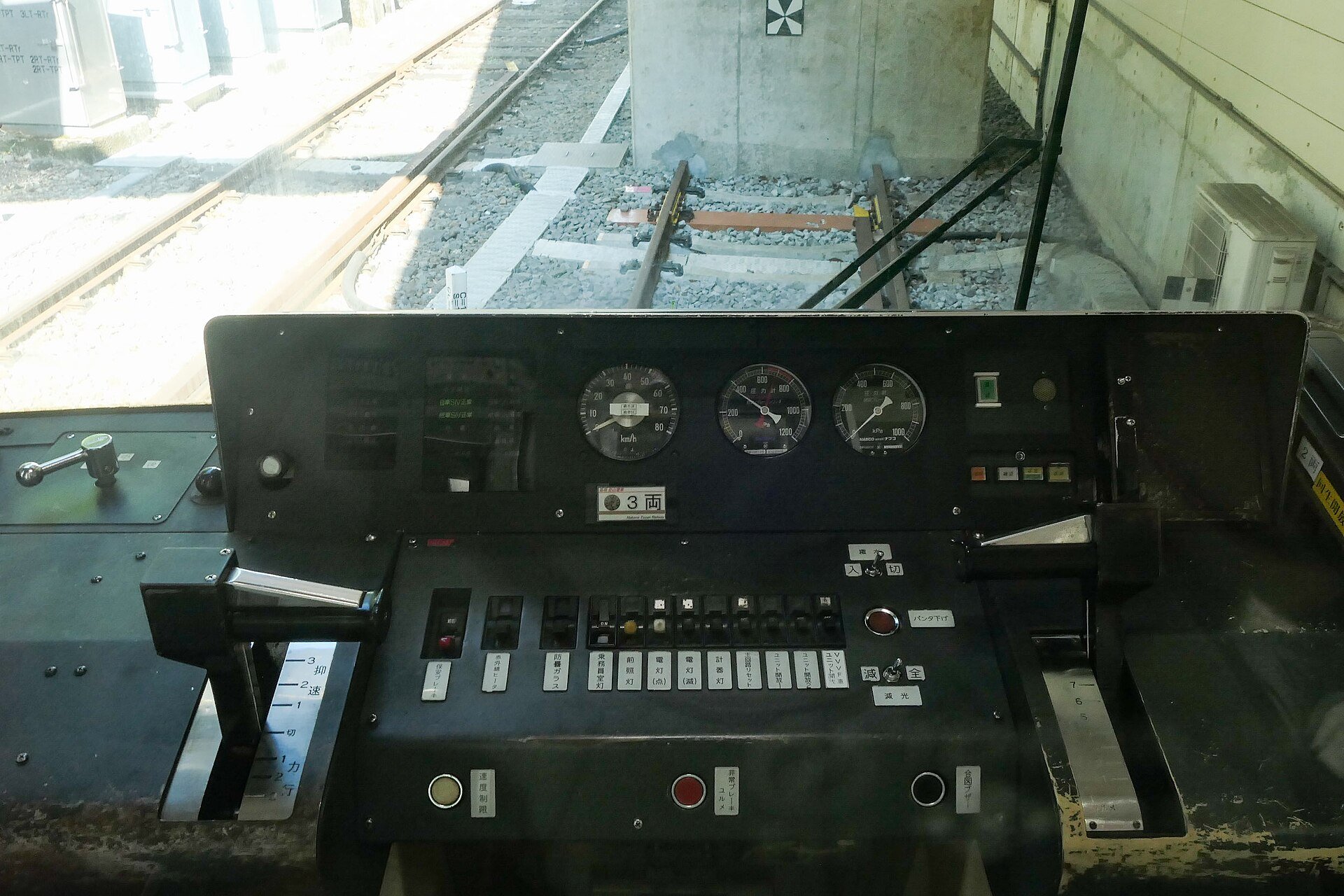
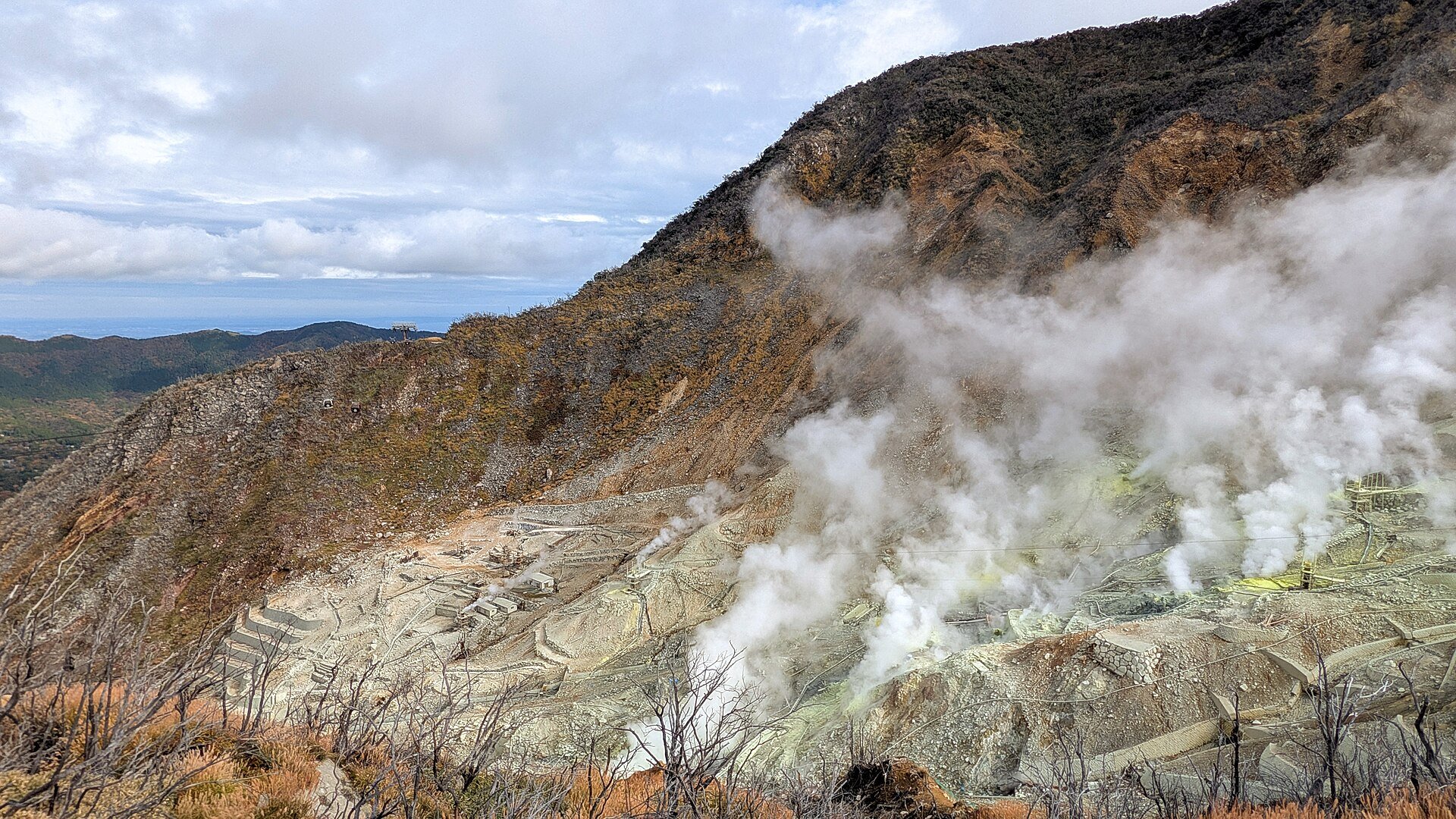
From Hakone-Yumoto, switch to the Hakone Tozan Railway — a little mountain line that zig-zags up the slope on switchbacks, the driver changing ends at every turn. It climbs to Gōra, where the cable car takes over to Sōunzan. Then comes the highlight: the ropeway crossing Ōwakudani, a crater blasted out by an eruption 3,000 years ago, still steaming with sulphur vents. At the crater station, try the famous black eggs — boiled in the volcanic springs, shells turned black by the minerals, and said to add seven years to your life.
The lake, the shrine, and (maybe) Fuji
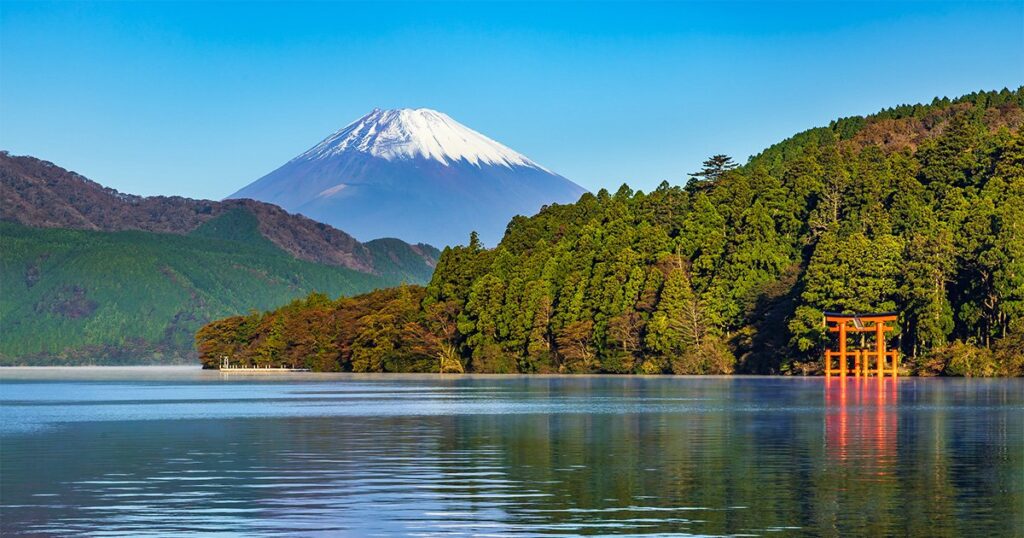
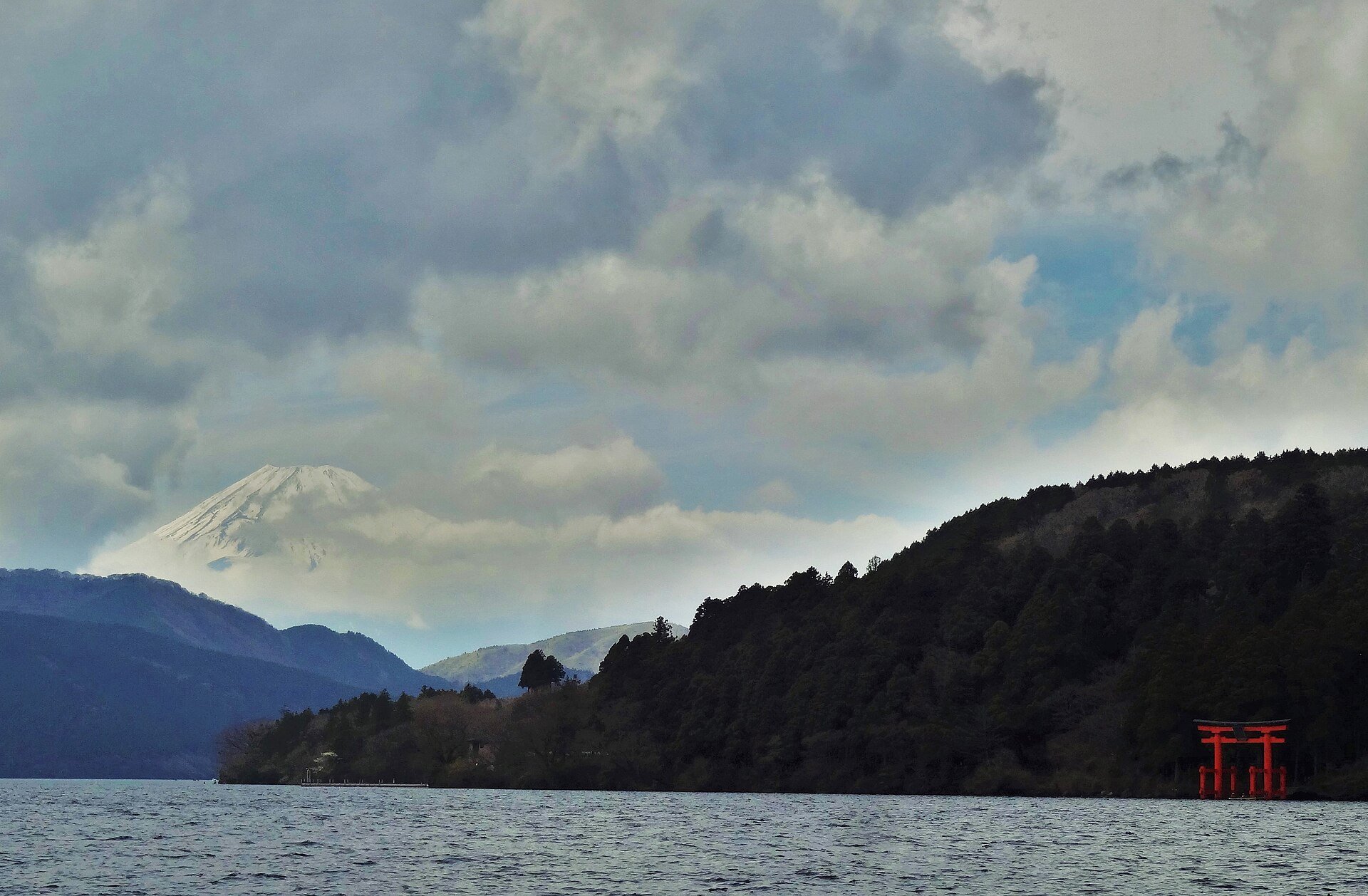
The ropeway descends to Tōgendai, on the shore of Lake Ashi — a caldera lake formed in the same eruption. Sightseeing boats styled like pirate ships cross to Hakone-machi and Moto-Hakone in about half an hour. Sit on the right side, look back across the water, and if the sky is clear you’ll get the money shot: Fuji rising behind the lake, with Hakone Shrine’s vermilion torii standing in the shallows near the far shore. Walk ten minutes from Moto-Hakone pier to stand beside that torii — it’s one of the most quietly beautiful spots in the region.
If Fuji hides
Fuji is famously shy — in summer, your odds of a clear view are well under half. Treat any sighting as a bonus, not a promise. The loop still delivers: the Hakone Open-Air Museum in Gōra spreads modern sculpture across lawns under the mountains and works in any weather, and the hot springs of Hakone-Yumoto make a fine final stop before the train. Soak, change, and ride back to Shinjuku in time for dinner.
Good to know
- The Hakone Free Pass covers every vehicle on the loop plus the train from Shinjuku, and usually pays for itself on a single circuit.
- Start by 8 a.m. The ropeway and the last boats stop in the late afternoon, and the end of the loop can’t be rushed.
- For the best Fuji odds, do the ropeway and the lake in the morning, when the air is clearest.
- Strong wind or volcanic activity can suspend the ropeway. Check the day’s operating status before you set off; buses cover the gap when it closes.
Sources & photo credits
- Hakone Tozan Railway — MaedaAkihiko, CC0, via Wikimedia Commons
- Ōwakudani — Joli Rumi, CC BY-SA 4.0, via Wikimedia Commons
- Lake Ashi and Hakone Shrine — WorldContributor, CC BY-SA 4.0, via Wikimedia Commons