Hiroshima and Miyajima in 2 Days: Remembrance and the Floating Torii
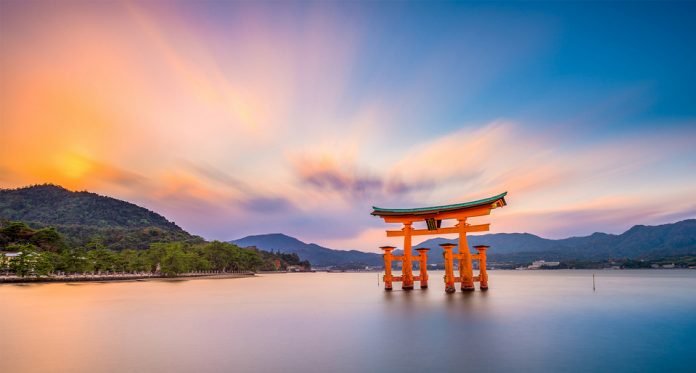
Hiroshima asks two different things of you. The first day is for remembering — this is the city the world knows for one morning in 1945, and its memorials are essential, human, and quietly hopeful. The second is for one of the most beautiful places in Japan: an island shrine that floats on the sea. Put them together and you have the most complete two-day trip in western Japan.
At a glance
- Time needed: 2 full days (one city, one island)
- Getting there: About 90 minutes from Shin-Osaka by shinkansen; about 4 hours from Tokyo
- Best season: Year-round; Miyajima’s maples peak in November
- Don’t miss: The Peace Memorial Museum, the floating torii at high tide, Hiroshima-style okonomiyaki
Day 1: A city that asks you to remember
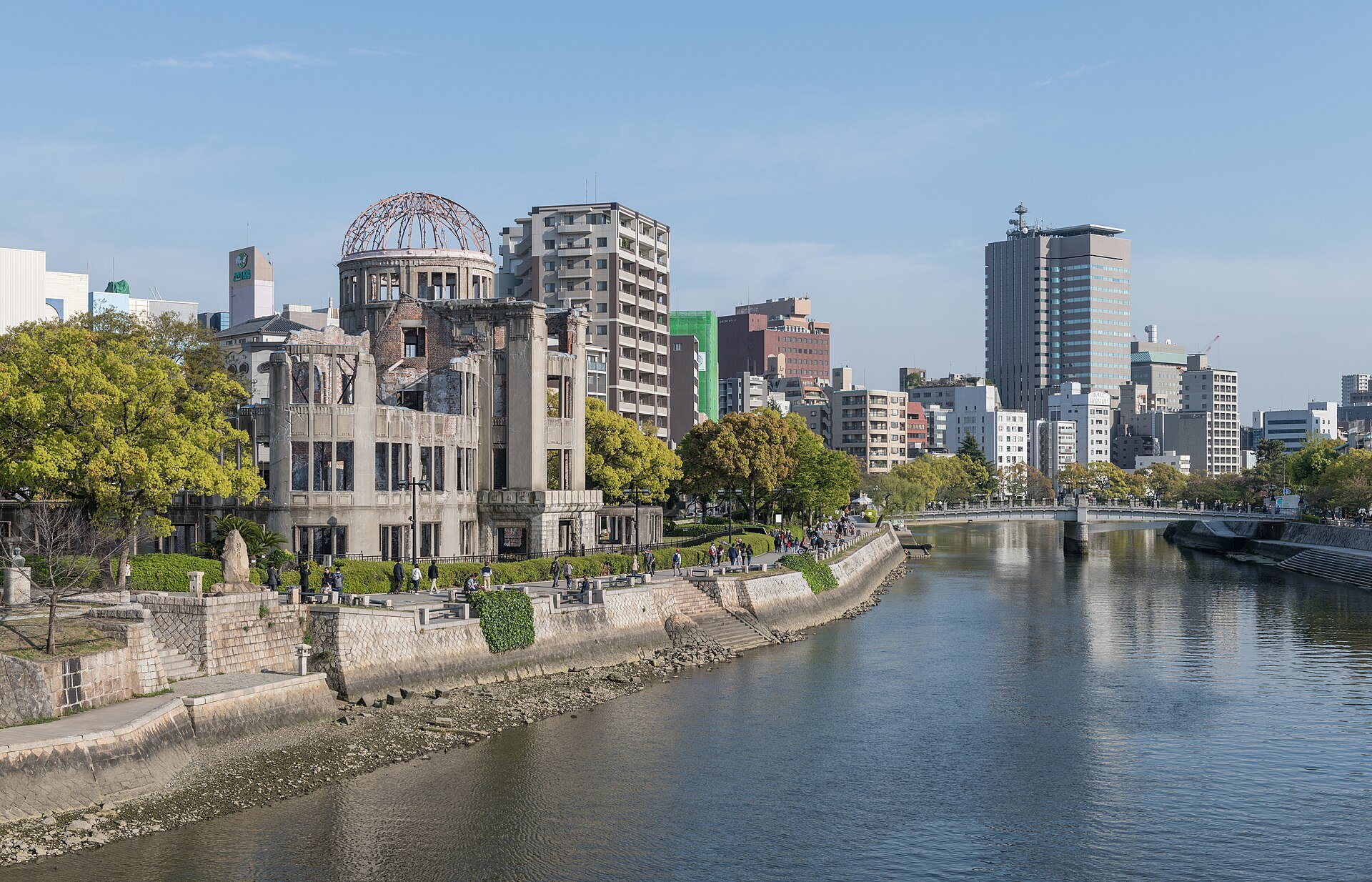
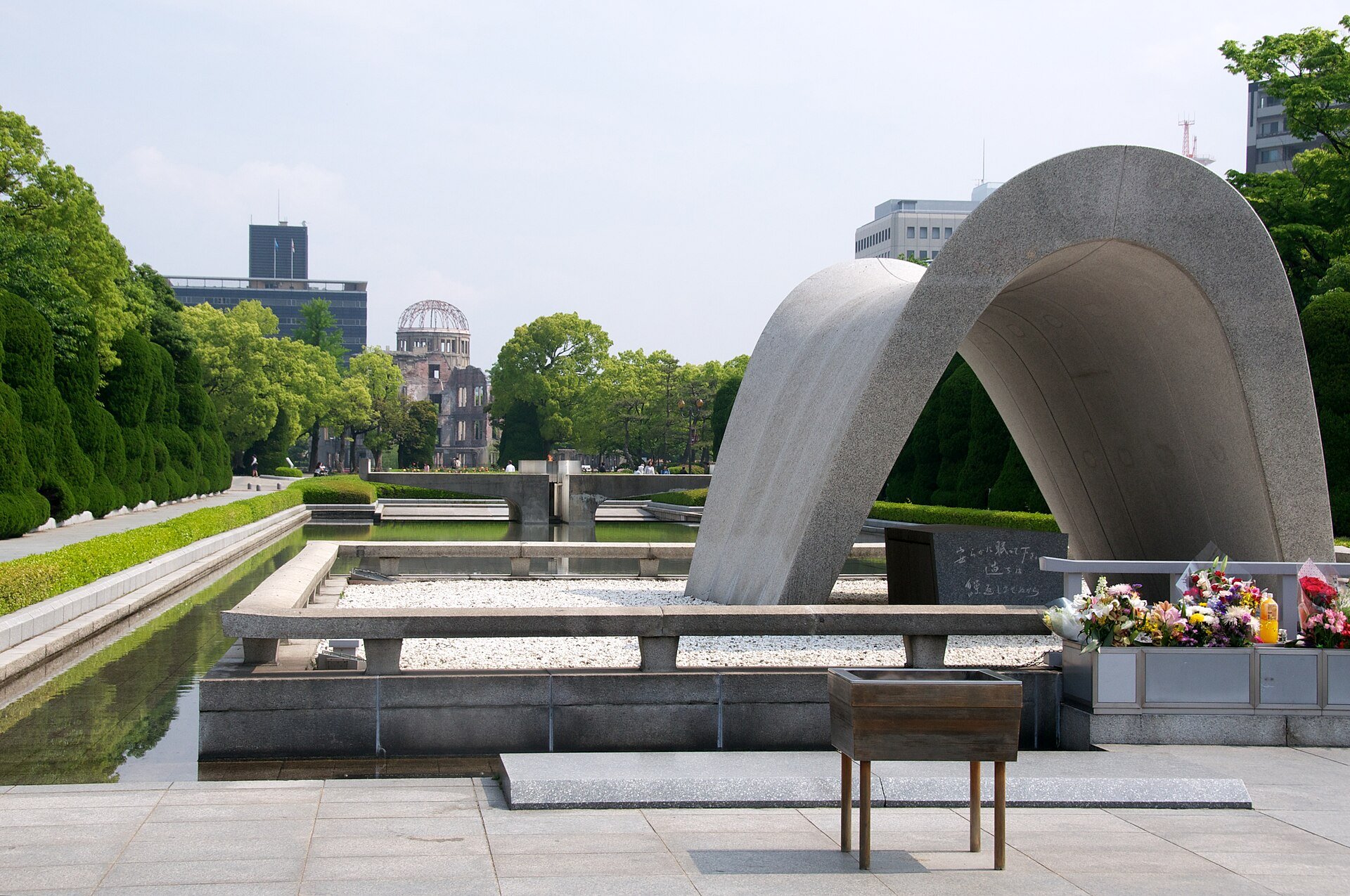
Start at the Atomic Bomb Dome — the skeletal ruin of a 1915 exhibition hall, preserved exactly as the blast left it, standing by the river as it has ever since. From there, walk the Peace Memorial Park: the Memorial Cenotaph, whose arch frames the Dome in the distance, and the Children’s Peace Monument, where paper cranes folded by schoolchildren from around the world arrive by the thousand every year, continuing the wish of Sadako Sasaki, who folded a thousand cranes hoping to live.
Give the Peace Memorial Museum two to three unhurried hours. Its exhibits are direct and personal — belongings, photographs, testimony — and most visitors leave quietly changed rather than merely informed. Afterwards, let the afternoon decompress: the park, the river, a coffee in the Hondōri arcade. Hiroshima today is a bright, green, friendly city, and noticing that is part of the visit, not a distraction from it.
Day 2: Miyajima, the island of the floating shrine
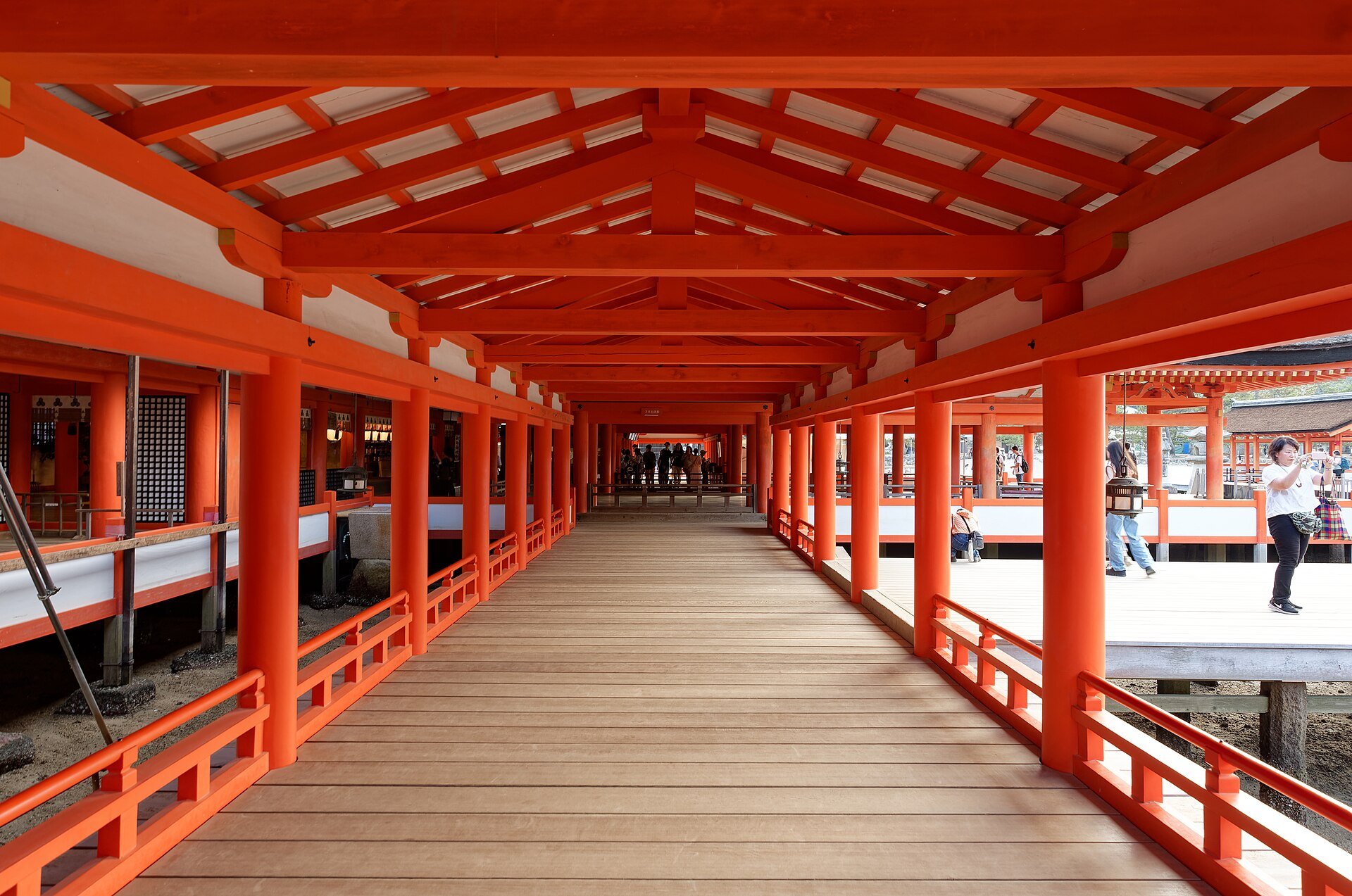
Take the train to Miyajimaguchi and the ten-minute ferry across to Miyajima — an island so sacred that, by long tradition, neither birth nor death was permitted on it. Itsukushima Shrine, built over the water in the 12th century in the style of an aristocrat’s lakeside villa, appears to float at high tide; its great vermilion torii stands in the sea before it. Check the tide table before you go and choose your view: high tide for the floating shrine, low tide to walk out across the sand and stand at the torii’s base. Both are worth it; locals will tell you the island is really two different places.
Ride the ropeway up Mt. Misen for a panorama over the islands of the Seto Inland Sea, then come down to the Omotesandō shopping street for the island’s two essential snacks: grilled oysters from the bay, and momiji manjū — maple-leaf-shaped cakes filled with sweet bean paste, made on griddles in the shop windows.
Hiroshima flavours
The city’s gift to Japanese food is Hiroshima-style okonomiyaki. Unlike Osaka’s version, where everything is mixed into the batter, here the ingredients are layered: a thin crepe, a mountain of cabbage, bean sprouts, pork — and a serving of yakisoba noodles folded inside. Watching yours built on the griddle, layer by layer, is half the pleasure. Add oysters in season, farmed in the bay you’re looking at, and you have eaten Hiroshima properly.
Good to know
- Stay in Hiroshima city: the memorial park, the shopping arcades, and the station are linked by a simple tram network, and Miyajima is a train-plus-ferry hop away.
- The Peace Memorial Museum draws school groups; arriving at opening time makes for a calmer visit.
- Miyajima deserves the full day. Its deer are wild and, unlike Nara’s, must not be fed.
- Two ferries serve Miyajima from Miyajimaguchi; they leave from adjacent piers and take the same ten minutes.
Sources & photo credits
- Atomic Bomb Dome — DXR, CC BY-SA 4.0, via Wikimedia Commons
- Memorial Cenotaph — BriYYZ, CC BY-SA 2.0, via Wikimedia Commons
- Itsukushima Shrine — Jakub Hałun, CC BY 4.0, via Wikimedia Commons